From Isolated to Connected: How a Simple Health App Gave Me Back My Circle
You know that feeling when life gets so busy you forget to check in with friends? I did—until a tiny health app reminded me to breathe, move, and actually call my best friend. It wasn’t just about steps or sleep. It quietly helped me rebuild real connections, one small habit at a time. This isn’t tech for geeks. It’s for anyone who’s ever felt a little too alone in their daily grind. And if you’ve ever sat on your couch after a long day, phone in hand, wondering why you still feel so disconnected—even though you’re ‘connected’ online—then this story is for you. Because what started as a simple attempt to sleep better ended up bringing back the people I’d slowly let slip away.
The Loneliness Hiding in Plain Sight
It wasn’t dramatic. There was no crisis, no big fight, no falling out. Just… silence. The kind that builds slowly, like dust on a bookshelf you don’t dust anymore. I was busy—always busy. Work, errands, cooking, laundry, helping the kids with homework. My days were full, but my heart felt light, somehow empty. I’d scroll through photos of friends’ vacations or birthday parties, smile, tap a like, and move on. No message. No call. Just a quick nod to their lives, like passing someone on the street and waving from a distance.
And I wasn’t alone in feeling alone. Studies show that more than half of adults in many countries report feeling lonely at least sometimes. But it’s not always about being physically by yourself. It’s about missing that real, warm, ‘I see you’ kind of connection. The kind where someone asks how you’re doing and actually listens. Where you don’t have to perform, just be. I had people around me, sure. But the deeper conversations, the laughter over nothing, the ‘remember when we…’ moments—they’d faded. I didn’t even notice until they were gone.
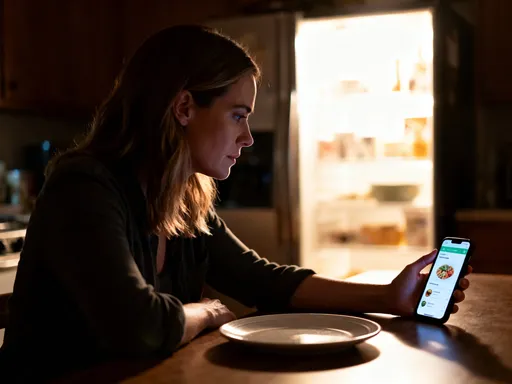
What made it worse was that everything looked fine on the outside. My house was clean. My kids were fed. My job was stable. But inside, there was this quiet ache, like a phone battery that never quite charges. I’d lie in bed at night, exhausted, and think, ‘Why do I feel so drained when I’ve done everything right?’ And then it hit me: I’d been caring for everyone and everything—except my own need to belong. I’d mistaken being busy for being fulfilled. But without real connection, even a perfect day can feel hollow.
How Health Tech Became My Unexpected Social Lifeline
I downloaded the app for sleep. That’s it. Just sleep. I’d been waking up tired, no matter how many hours I spent in bed. My sister mentioned this little health app she used—nothing fancy, just a simple tracker with gentle reminders. ‘It won’t fix everything,’ she said, ‘but it might help you notice patterns.’ So I gave it a try. No big expectations. Just tap a few buttons, log when I went to bed, how I felt in the morning.
But then something unexpected happened. The app didn’t just track sleep. It asked how I was feeling. Not in a robotic way, but with real warmth. A little prompt would pop up: ‘How’s your heart today?’ or ‘What’s one thing weighing on you?’ At first, I brushed them off. But after a few days, I started answering. And then—this is the surprising part—some of those answers led me to pick up the phone.
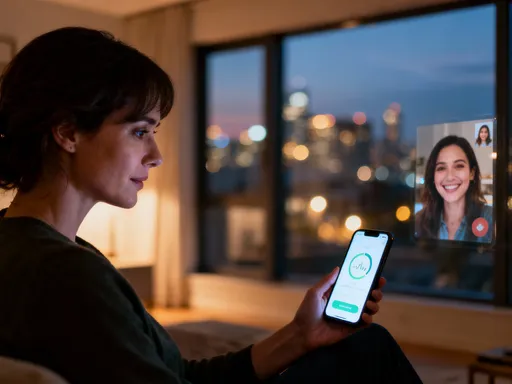
One evening, after logging a ‘low’ mood, the app gently asked, ‘Who usually lifts your spirits?’ I paused. Honestly, I hadn’t thought about that in years. But then I typed: ‘My cousin Lisa. We used to talk all the time.’ And before I could overthink it, the app said, ‘Want to send her a quick voice note?’ I clicked yes. Just a 20-second message: ‘Hey, I was thinking of you. Miss our chats.’ I didn’t expect a reply that night. But she called me back five minutes later. We talked for 40 minutes. About nothing and everything. And when I hung up, I felt lighter. Not because the app ‘fixed’ my mood, but because it reminded me I wasn’t alone.
That was the first ripple. Then came the walking reminders. ‘Time to stretch!’ or ‘You’ve been sitting a while—how about a 5-minute walk?’ I started doing them. And one day, I saw my neighbor watering her flowers. I waved, stepped out, and said, ‘I’m on a walking break—mind if I stroll with you?’ She smiled. We walked around the block. Two weeks later, we were doing it every Tuesday and Thursday. All because an app reminded me to move—and I chose to move toward someone.
Small Data, Big Feelings: What the App Actually Tracked
You might think, ‘Wait—this is a health app, not a social network.’ And you’re right. But the magic wasn’t in the data. It was in how the app used it. It didn’t just say, ‘You slept 6 hours 12 minutes.’ It said, ‘You slept less than usual. Was something on your mind?’ And then it gave me space to write. Sometimes I’d type a sentence. Sometimes just a word: ‘stressed,’ ‘tired,’ ‘missing Dad.’
And here’s what’s beautiful: the app didn’t judge. It didn’t tell me to ‘fix’ it. It just asked, ‘Who helps you feel better when you’re like this?’ That question changed everything. Because it didn’t just make me aware of my mood—it pointed me toward the people who could help. I started calling my sister when I felt overwhelmed. I texted my best friend from college when I felt nostalgic. I even left a voice message for my mom just saying, ‘I love you.’ Simple. Small. But powerful.
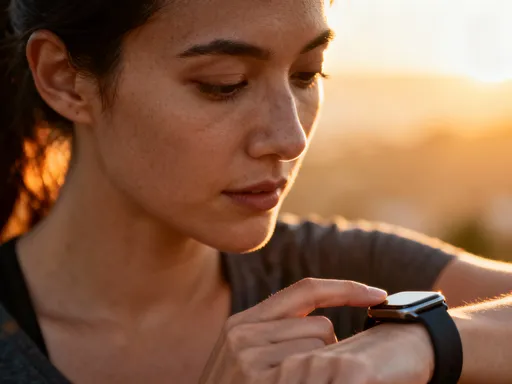
The movement tracking worked the same way. I wasn’t chasing step goals like a robot. Instead, when I hit 5,000 steps, the app would say, ‘You’ve moved today—celebrate with someone who cheers you on!’ At first, I laughed. ‘Celebrate? With who?’ But then I thought of my niece. So I sent her a silly selfie with my walking shoes and wrote, ‘I walked 5K today—give me a gold star!’ She replied with a drawing of me with a crown. We started a little game. Now, every time I hit a milestone, I share it with someone who matters. It’s not about the steps. It’s about the smile that follows.
And the breathing exercises? They weren’t just about lowering my heart rate. They became moments of intention. After a two-minute guided breath, the app would whisper, ‘How do you feel?’ and then, ‘Who would you like to share this calm with?’ Sometimes I’d call my daughter. Sometimes I’d send a quiet text to a friend: ‘Just took a breath. Thinking of you.’ No agenda. No pressure. Just connection. And over time, those tiny moments added up to something real.
From Personal Goals to Shared Moments
Here’s what I didn’t expect: my personal health journey started inviting others in. I joined a hydration challenge—just to drink more water. But the app let me invite friends to join. I didn’t think anyone would. But my cousin said yes. Every morning, we’d get a little reminder: ‘Time to drink! Tag someone who needs water too.’ We started sending each other funny memes about tea, coffee, and forgetting to refill our bottles. It was light. It was fun. But it was also consistent. And consistency, I’ve learned, is how real connection grows.
Then, one day, a friend messaged me: ‘I saw you’ve been walking more. That’s awesome! Want to do a weekend hike?’ I was stunned. I didn’t know she could see my progress. But the app had a ‘share with close friends’ option, and I’d turned it on without thinking much of it. But she noticed. And her noticing made me feel seen. We went on that hike. We talked about our kids, our worries, our dreams. It wasn’t a deep therapy session. It was just two friends walking, laughing, remembering why we liked each other in the first place.
Another time, I logged a great night of sleep. The app said, ‘You’re glowing! Who helped you feel this good?’ I thought about it. No one ‘helped’ me sleep—but I realized I’d talked to my mom the night before. Just a short call. But it had settled my mind. So I answered, ‘Mom.’ And the app said, ‘Send her a thank-you?’ I did. Just a text: ‘Thanks for listening last night. It helped.’ She called me back crying. ‘I had no idea that mattered so much.’ We both realized how much we’d been holding back, assuming the other was ‘fine.’ But a simple prompt made space for gratitude—and for healing.
These weren’t grand gestures. No fancy dinners, no weekend getaways. Just small, real moments that grew from tiny digital nudges. But they rebuilt bridges I didn’t know were broken. And the best part? None of it felt forced. It felt natural. Like the app wasn’t pushing me to socialize—but helping me remember how.
Tech That Understands Real Life (Not Just Metrics)
Not all apps are like this. I tried a few others before this one. One shamed me for missing three days of steps: ‘You’re falling behind!’ Another gave me a red ‘F’ for poor sleep. F? Really? Like I’m back in school and failing at resting? That didn’t help. It made me feel worse. I’d close the app and think, ‘Why bother?’
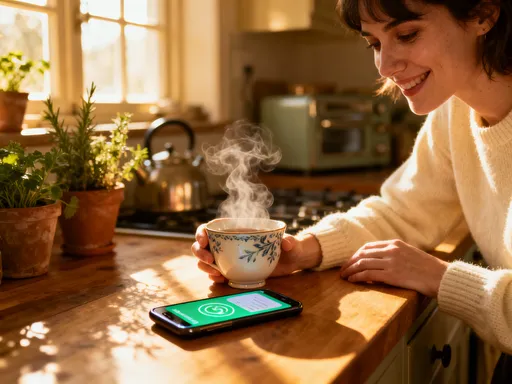
But this one was different. It didn’t treat me like a machine. It treated me like a person. When I missed a day, it said, ‘We all have off days. Who can you talk to when you’re feeling low?’ When I logged stress, it didn’t say, ‘Meditate more.’ It said, ‘Would you like to record a voice note to yourself? Sometimes hearing your own voice helps.’ I tried it. I said, ‘You’re doing your best. It’s okay to rest.’ And hearing my own words? It felt like a hug.
The app also had a ‘shared reflection’ feature. Once a week, it would ask me: ‘What’s one good thing this week?’ and let me share it with a friend. I sent one to my sister: ‘I finally took that walk with Mrs. Thompson next door. It was nice.’ She replied, ‘That’s beautiful. Tell her I said hi.’ That tiny exchange made me feel part of something. Not isolated. Not just a solo mom doing life alone. But connected. Held.
What made this app work wasn’t the technology. It was the philosophy behind it. It wasn’t about perfection. It was about presence. It didn’t demand more from me—it helped me give more to myself and to others. It understood that health isn’t just physical. It’s emotional. It’s relational. And sometimes, the most healing thing isn’t a pill or a workout—it’s a conversation.
Building Habits That Bring People Closer
If you’re thinking about trying something like this, here’s what I’ve learned. First, look for an app that asks questions, not just numbers. One that invites reflection, not just tracking. Does it ask how you’re feeling? Does it suggest reaching out when you’re down? That’s the kind of tool that supports real well-being.
Second, start small. Don’t try to share everything with everyone. I picked two people—my sister and my cousin. Just two. I turned on ‘share progress’ with them. That’s it. No pressure. But knowing they could see my little wins made me want to keep going. And when they celebrated me, it felt good. Real good.
Third, choose features that feel warm, not cold. Avoid apps that use red alerts, harsh language, or shame-based messaging. Look for ones with kind words, soft colors, and gentle tones. The voice that guides you should sound like a friend, not a drill sergeant.
And finally, give yourself permission to use tech for connection, not just distraction. We often think of phones as things that pull us away from people. But they can also bring us closer—if we use them with intention. I now use my phone to send voice notes, share progress, and respond to prompts that lead me back to the people I love. It’s not replacing face time. It’s leading me into it.
I’ll be honest—there are still days I feel lonely. Days when the app can’t fix a hard conversation or bring back someone who’s far away. But it’s given me a practice. A rhythm. A reminder that I’m not meant to do life alone. And sometimes, that reminder is enough to pick up the phone, step outside, or send that text I’ve been putting off.
More Than Health: A Life That Feels Fuller
This journey wasn’t about lowering my resting heart rate or hitting 10,000 steps a day. It was about remembering that I matter—to myself, and to others. The app didn’t cure my loneliness. It didn’t magically refill my social calendar. But it helped me see the connections that were still there, waiting to be tended.
Today, my walks are with my neighbor. My breathing breaks end with a text to Mom. My sleep logs sometimes turn into calls with my sister. The app didn’t create these moments. It just made them easier to start. It gave me permission to reach out, even when I didn’t feel like it. And in doing so, it helped me rebuild my circle—not all at once, but one small, human moment at a time.
I think we all need that. A little nudge now and then to remember the people who matter. To say, ‘I see you.’ To hear, ‘I see you too.’ Because connection isn’t something we find when we have time. It’s something we build, day by day, choice by choice. And if a simple health app can help me make those choices more often, then it’s not just a tool for better health. It’s a tool for a better life. One breath, one step, one call at a time.