More Than Consultations: How Health Platforms Helped Me Build Skills That Last
Have you ever tried to eat better, move more, or sleep well—and failed, again and again? I have. What changed wasn’t willpower. It was finding a health platform that didn’t just give advice but guided me step by step, like a quiet mentor. It reminded me gently, celebrated small wins, and adjusted as I grew. Slowly, new habits stuck. And with them, real confidence. This isn’t about quick fixes. It’s about lasting change—supported by tech that feels human.
The Habit That Almost Slipped Away
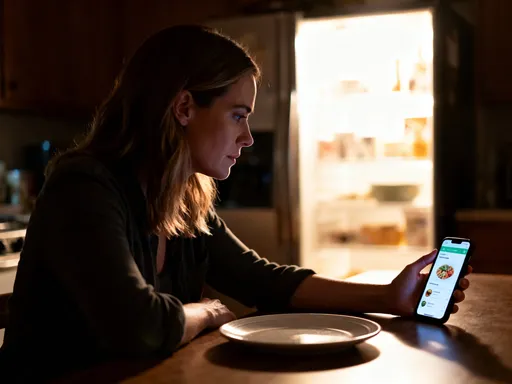
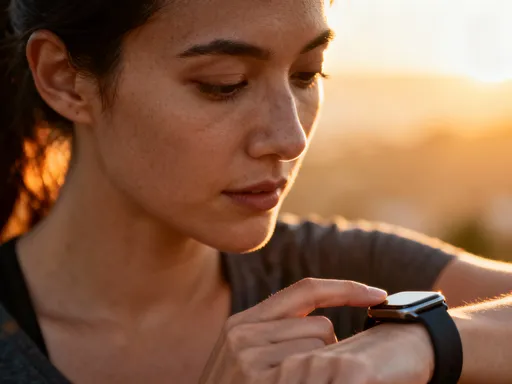
I remember the exact moment I downloaded my first health app. It was early January—cold, quiet mornings, and that familiar post-holiday urge to ‘get it together.’ I wanted to manage stress, sleep better, and feel more in control. The app promised all of that with colorful charts, daily check-ins, and cheerful notifications. I felt hopeful. For three days, I logged everything—meals, moods, steps. Then life happened. A sick child. A work deadline. A week of late dinners and forgotten water bottles. By day seven, I hadn’t opened the app. By day ten, I uninstalled it.
At the time, I thought I’d failed. I blamed my lack of discipline. But looking back, I realize the problem wasn’t me—it was the approach. That app treated health like a checklist, not a journey. It gave data without direction, tracking without understanding. There was no one to say, ‘Hey, I see you’re overwhelmed—let’s slow down.’ No space to admit, ‘I’m trying, but it’s hard.’ Real habit-building doesn’t thrive on guilt or numbers alone. It needs compassion. It needs conversation. And that’s what I eventually found—not in another app, but in a health consultation platform that felt less like software and more like support.
What made the difference? It started with a simple message: ‘Welcome. Let’s get to know each other.’ No pressure. No instant demands. Just a gentle invitation to begin. That small shift—from performance to partnership—changed everything. I wasn’t being judged for past failures. I was being met where I was. And that made me want to stay.
From One-Time Advice to Ongoing Support
Think about the last time someone gave you health advice. Maybe it was a doctor saying, ‘You should exercise more,’ or a friend texting, ‘Drink more water!’ Helpful? Sure. But how long did it last? For most of us, these one-time tips fade fast because they don’t account for real life. We don’t fail because we don’t care—we fail because no one walks with us through the messy middle.
What changed for me was continuity. The platform didn’t just tell me what to do and disappear. It stayed. It followed up. A simple message like, ‘How did your walk go yesterday?’ or ‘You mentioned trouble sleeping—want to explore that?’ made me feel seen. Not scolded. Not nagged. Just noticed. That kind of gentle accountability made all the difference. It turned isolated advice into an ongoing dialogue—one that adapted as my life changed.
There was a week last spring when my mother was in the hospital. I was traveling back and forth, surviving on coffee and snacks. I stopped logging meals. I skipped workouts. Old me would’ve seen that as failure and quit. But this time, my coach—yes, I had an actual human coach—sent a message: ‘No pressure. Just checking in. How are you holding up?’ That question cracked something open. I replied honestly: ‘Not great. I’m exhausted.’ Instead of pushing me to ‘get back on track,’ she said, ‘Let’s just focus on rest this week. Can you aim for one grounding breath each morning?’
That moment taught me something powerful: real support meets you in your struggle, not your success. It doesn’t demand perfection. It offers presence. And because of that, I didn’t abandon the platform. I stayed. And when life calmed down, I was already connected—ready to rebuild, not start over.
Learning Skills, Not Just Following Rules
One of the biggest shifts in my journey was moving from chasing goals to building skills. Before, I thought health was about hitting targets: lose 10 pounds, walk 10,000 steps, meditate every day. But goals can be rigid. When I missed one, I felt like I’d failed. The platform helped me shift my mindset. Instead of asking, ‘Did you do it?’ it asked, ‘What did you learn?’
Through short video lessons and guided reflections, I began to understand the ‘why’ behind my habits. Why did I reach for snacks when I wasn’t hungry? Why did I skip workouts when I was tired? The platform didn’t just label these as ‘bad choices’—it helped me explore them with curiosity. I learned about emotional triggers, stress responses, and the difference between physical and mental fatigue. These weren’t quick fixes—they were real skills, like emotional awareness and self-regulation.
One exercise that stuck with me was the ‘Pause & Plan’ technique. Before making a food choice, I was prompted to stop and ask: ‘Am I hungry, stressed, bored, or lonely?’ Just naming the feeling changed my relationship with eating. I didn’t need to ‘control’ myself—I needed to understand myself. Over time, this skill spilled into other areas. I started applying it to time management, parenting, even conversations with my partner. I wasn’t just eating better—I was thinking better.
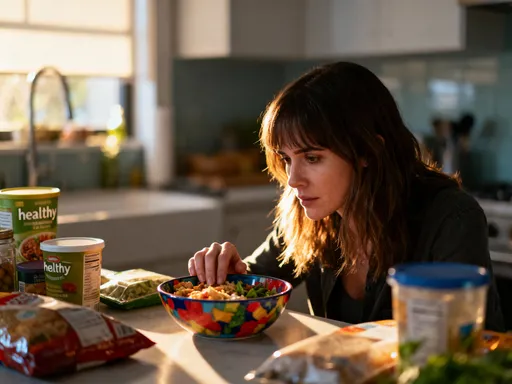
The platform also taught me practical skills, like mindful meal planning. Instead of rigid diets, I learned to build balanced plates using simple visual guides. I discovered how to prep ingredients on Sundays so weekday dinners felt effortless. These weren’t one-off tips—they were tools I could use for life. And because they were personalized—based on my schedule, preferences, and energy levels—they actually worked.
Small Moments, Big Shifts
People often think change happens in big leaps—joining a gym, starting a cleanse, buying new workout clothes. But for me, transformation came in tiny, quiet moments. The real progress wasn’t in what I did, but in how I showed up, day after day.
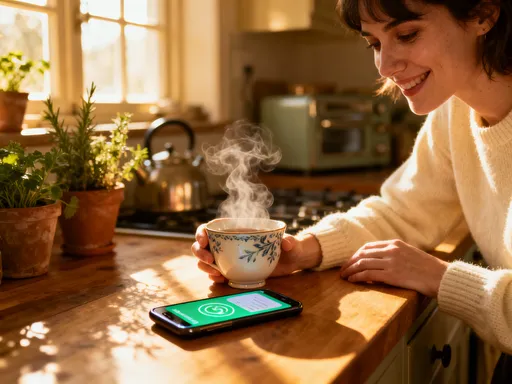
It was the five-minute breathing exercise I did before logging into my work meeting. Not because I had to, but because the app gently reminded me: ‘You’ve got this. Take a breath.’ It was the Sunday night chat with my coach, planning meals together like we were friends cooking in the kitchen. It was the journal prompt that popped up after a long day: ‘What’s one small thing you did well today?’ At first, I’d shrug. But over time, I started noticing—the walk with my daughter, the water instead of soda, the moment I paused instead of snapping at my son.
These micro-interactions added up. The technology didn’t replace my effort—it amplified it. It didn’t force consistency; it made it feel natural. I wasn’t ‘forcing’ myself to meditate. I was learning to pause. I wasn’t ‘making’ myself eat vegetables. I was discovering how good they made me feel. The platform created a rhythm, a gentle nudge that helped me stay connected to my intentions, even on busy days.
And here’s what surprised me: the more I engaged with these small practices, the more I began to trust myself. I stopped waiting for a ‘perfect day’ to start. I learned to show up as I was—tired, busy, imperfect—and still do something small. That shift in mindset—from all-or-nothing to progress-over-perfection—was everything.
A Partner in Daily Life, Not Just a Tool
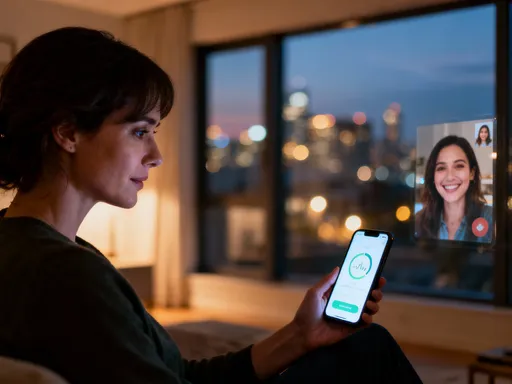
I’ll admit, I was skeptical at first. Could a digital platform really feel personal? Wouldn’t it be cold, robotic, full of generic advice? But what I experienced was the opposite. The platform remembered things—like how I preferred evening walks over morning ones, or that I loved roasted vegetables but hated smoothies. It adjusted when I traveled, suggesting shorter workouts and hydration tips for flights. When I had a rough week, it didn’t push harder—it softened, offering gentle prompts like, ‘Be kind to yourself today.’
It wasn’t perfect. Sometimes, a message felt a little off. But the fact that it tried—that it learned from my feedback—made me trust it more. It wasn’t pretending to be human. It was using technology to support humanity. And that made all the difference.
I began to look forward to my daily check-ins. Not because I felt obligated, but because they felt like a quiet conversation with someone who cared. It wasn’t about reporting data—it was about sharing my experience. And in return, I got more than advice. I got validation. I got encouragement. I got the sense that I wasn’t alone.
There’s a word for this: attunement. It’s the feeling of being understood, of being met with empathy. I didn’t expect to find it in an app. But I did. And that emotional connection—more than any feature or function—kept me going.
Sharing Growth with Those I Care About
One of the most unexpected benefits of my journey was how it affected my relationships. I didn’t realize how much my stress and fatigue were affecting my family until I started feeling better. As my energy improved, so did my patience. I found myself listening more, reacting less. I had more presence at dinner, more joy in weekend outings, more calm during the chaos of homework and bedtime routines.
My kids noticed. ‘You’re not yelling as much,’ my daughter said one evening. It wasn’t a criticism—just an observation. But it hit me. I hadn’t set out to be a ‘better mom.’ I’d set out to feel better. But the two were connected. When I took care of myself, I had more to give. And that created a ripple effect.
I also started having more honest conversations with my partner about well-being. We used to avoid the topic—either because it felt overwhelming or because we blamed ourselves for not ‘having it together.’ But as I shared what I was learning—about rest, nutrition, emotional balance—he began to ask questions. We started small: swapping one processed snack for fruit, taking a 10-minute walk after dinner. It wasn’t about fixing each other. It was about growing together.
The platform didn’t replace these human connections—it enhanced them. By helping me build my own foundation, it gave me the emotional and physical resources to show up more fully for others. I wasn’t just changing for myself. I was creating a healthier, calmer home for all of us.
Building a Life That Stays in Motion
Today, I don’t use the platform as much as I once did. Not because I’ve ‘arrived’—I haven’t. But because the habits I once struggled to keep have become part of who I am. I move because it feels good, not because I’m chasing a number. I eat mindfully because I’ve learned to listen to my body. I rest without guilt because I understand its value.
The platform didn’t give me a quick fix. It gave me a process—a way to grow, adapt, and thrive through life’s changes. And the best part? I now carry those skills forward, even when I’m not actively using the app. I know how to reset after a setback. I know how to tune into my needs. I know how to be kind to myself.
Technology didn’t change me. It helped me change myself—quietly, steadily, and for good. It wasn’t about perfection. It was about practice. It wasn’t about willpower. It was about support. And it wasn’t just about health. It was about becoming the kind of person I always wanted to be: present, resilient, and full of quiet confidence.
If you’ve ever felt stuck—like you’re trying and failing, again and again—I want you to know something: it’s not you. It’s the system. You don’t need more motivation. You need better support. You need tools that understand life doesn’t happen in a vacuum. You need guidance that grows with you, not against you.
And if you’re wondering whether a health platform could make a difference for you? I say this from experience: it’s not about the tech. It’s about what the tech makes possible. It’s about creating space for small, consistent steps. It’s about feeling seen, heard, and supported. It’s about building skills that last—long after the notifications fade.
You don’t have to do it all at once. You don’t have to be perfect. You just have to begin. And sometimes, the right kind of support can make all the difference between giving up—and finally sticking with it.