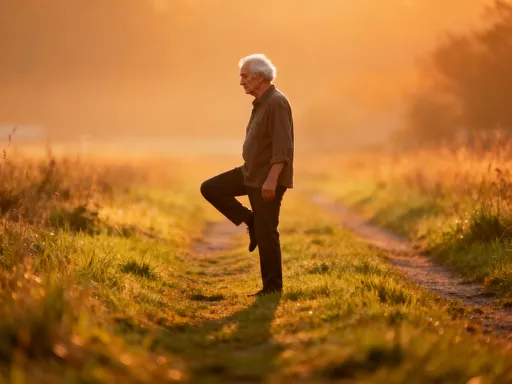
How I Learned to Quiet My Mind Through Movement
For years, I struggled with overthinking, anxiety, and that constant mental noise that made rest feel impossible. Therapy helped, but something shifted when I added intentional movement to my routine. It wasn’t about intense workouts or chasing fitness goals—it was about using exercise as a form of psychological release. This is how I discovered a deeper connection between motion and mental clarity, and why movement became my most honest form of self-counseling. Unlike medication or conversation alone, movement offered a space where emotions could be processed without words, where tension could be released through rhythm rather than reasoning. What began as a simple walk around the block gradually evolved into a daily ritual of emotional balance and mental grounding.
The Mental Load That Wouldn’t Quit
Living with persistent overthinking is like carrying a backpack filled with unanswered questions, each one growing heavier with time. For many years, the mind felt like a room with too many open windows—thoughts rushing in from every direction, impossible to shut out. Simple decisions became mental marathons. Sleep was often interrupted by replays of conversations or worries about the future. Even during moments of stillness, the internal dialogue never paused. This wasn’t occasional stress; it was a chronic state of mental fatigue that seeped into daily life, affecting concentration, mood, and overall well-being.
Traditional talk therapy offered valuable tools for understanding the roots of anxiety and developing coping strategies. Learning to identify cognitive distortions and practicing mindfulness techniques brought some relief. Yet, despite these efforts, a physical residue of tension remained—tight shoulders, shallow breathing, a stomach often knotted with unspoken emotion. It was as if the body had absorbed what the mind couldn’t fully process. This realization marked a turning point: emotional stress wasn’t only stored in thoughts, but also in the body. The nervous system, designed to respond to threat, had become stuck in a prolonged state of alert, even when no immediate danger existed.
The insight that the body held unprocessed stress opened a new path forward. While words could help reframe emotions, movement could help release them. This didn’t mean pushing through exhausting workouts or striving for physical transformation. Instead, it meant approaching movement as a way to reconnect with the body, to discharge accumulated tension, and to create space for mental quiet. The goal was no longer fitness, but regulation—balancing the nervous system, calming the internal storm, and restoring a sense of internal safety. This shift in perspective transformed how physical activity was understood and practiced.
When Exercise Became More Than Physical
The idea that exercise benefits mental health is supported by a growing body of scientific evidence. Physical activity stimulates the release of endorphins, natural brain chemicals that promote feelings of well-being and reduce the perception of pain. But the benefits go beyond simple mood elevation. Movement influences the autonomic nervous system, helping shift the body out of the stress-dominated sympathetic state and into the rest-and-digest parasympathetic mode. This physiological shift is essential for emotional regulation and mental recovery.
For someone accustomed to viewing workouts as a means to burn calories or build strength, this new understanding was revolutionary. Exercise was no longer just a physical task to check off a list—it became a form of nonverbal therapy. The rhythmic motion of walking, the controlled breath of yoga, the repetitive strokes of swimming—each offered a way to engage the body while quieting the mind. These activities didn’t require analysis or effortful thinking; they invited presence. In that space, the constant mental chatter began to soften. Thoughts still arose, but they no longer demanded immediate attention.
This shift in mindset—from working out to working through—changed everything. Instead of measuring success by speed, distance, or intensity, progress was measured by how calm and centered one felt afterward. A 20-minute walk wasn’t judged by how many steps were taken, but by whether the mind felt lighter upon returning home. Movement became less about performance and more about processing. It provided a safe container for emotions that were too complex or overwhelming to articulate in words. In this way, the body became a trusted ally in the journey toward emotional balance.
Building a Mindful Movement Routine
Creating a movement practice focused on mental relief required a deliberate departure from conventional fitness models. There would be no high-intensity intervals, no timed runs, no pressure to achieve specific physical outcomes. Instead, the focus was on accessibility, consistency, and internal feedback. The goal was not to push limits, but to listen—to tune in to what the body needed on any given day.
Low-pressure activities became the foundation of this routine. Walking, especially in natural settings, offered both physical engagement and sensory calm. The rustle of leaves, the rhythm of footsteps, the changing light through trees—all contributed to a sense of grounding. Yoga, particularly gentle or restorative forms, provided a structured way to link breath with movement, encouraging mindfulness and releasing muscular tension. Rhythmic stretching, done slowly and with attention, helped reconnect with bodily sensations that had long been ignored.
Each session was intentionally designed to include moments of reflection and breath awareness. Before beginning, a few minutes were spent standing still, noticing how the body felt, identifying areas of tightness or fatigue. During movement, attention was gently brought back to the breath whenever the mind wandered. Afterward, a brief pause—sitting quietly, perhaps journaling—allowed space to observe any shifts in mood or mental clarity. This structure transformed movement from a mechanical habit into a reflective practice, one that honored both physical and emotional needs.
The Power of Repetition and Rhythm
One of the most surprising discoveries was how repetition in movement could induce a meditative state. Activities that involved rhythmic, predictable motions—such as walking, swimming, or even slow dancing—seemed to quiet the mind in a way that seated meditation sometimes could not. The steady cadence acted like a lullaby for the nervous system, reducing mental noise and decreasing rumination. This effect is not merely subjective; research suggests that rhythmic movement can synchronize brainwave patterns, promoting a state of relaxed alertness similar to that achieved through mindfulness meditation.
For someone prone to late-night overthinking, this was transformative. Instead of lying awake with racing thoughts, a short evening walk became a ritual of release. The simple act of stepping forward, again and again, created a natural rhythm that disrupted anxious loops. With each stride, the mind had less energy to spiral. The external motion seemed to carry the internal chatter away, like leaves swept downstream by a gentle current. Over time, this practice replaced the habit of mental replay with one of physical presence.
The beauty of rhythmic movement lies in its accessibility. It doesn’t require special equipment, a gym membership, or expert instruction. A walk around the neighborhood, pacing in the backyard, or even swaying gently to music can provide the same calming effect. What matters most is consistency and intention. When repeated regularly, these small acts of motion accumulate into a powerful form of emotional regulation. They teach the body and mind that safety and stillness are possible, even in the midst of life’s uncertainties.
Timing, Consistency, and Emotional Payoff
Finding the right time of day to engage in mindful movement made a significant difference in its effectiveness. For some, morning movement set a calm tone for the day, helping to prevent stress from building up. For others, including the author, evening movement served as a transition ritual—marking the shift from work to rest, from activity to stillness. Using movement as a bridge between these states helped signal to the body that it was safe to slow down.
Consistency proved far more valuable than intensity. Short daily sessions—ranging from 10 to 30 minutes—were more effective in sustaining mental balance than occasional longer or more strenuous workouts. The nervous system responded best to regular input, much like a garden thrives on consistent watering rather than infrequent floods. Over time, these small investments in movement yielded noticeable emotional benefits: improved sleep quality, reduced irritability, greater patience in daily interactions, and an increased ability to handle unexpected stressors without becoming overwhelmed.
Tracking these subtle shifts was essential for maintaining motivation. While physical changes like weight loss or muscle gain are easy to measure, emotional improvements are often quieter and more gradual. Keeping a simple journal to note mood before and after movement, or reflecting weekly on overall well-being, helped recognize progress that might otherwise go unnoticed. These reflections revealed patterns—such as better focus after morning stretches or reduced anxiety following a midday walk—reinforcing the connection between physical activity and mental clarity. Over time, movement became less of a chore and more of a trusted resource.
Integrating Movement with Professional Counseling
Far from replacing professional support, mindful movement enhanced the effectiveness of therapy. When emotional tension was released through physical activity, therapy sessions became more productive. There was less mental clutter, making it easier to engage with difficult topics. Emotions that had felt too big to name often became more accessible after a walk or a session of gentle stretching. In this way, movement served as a preparatory step—clearing the ground so that deeper emotional work could take root.
Between therapy appointments, movement provided a way to process emerging emotions. Instead of suppressing feelings or getting caught in rumination, physical activity offered a constructive outlet. A wave of sadness, for instance, could be met with slow, deliberate movement rather than isolation or distraction. Anger could be channeled into brisk walking or rhythmic stretching, allowing the energy to move through the body without causing harm. This integration created a feedback loop: therapy provided insight, and movement provided release.
The combined benefit was profound. When body and mind were engaged as a team, emotional resilience improved. Challenges didn’t disappear, but the capacity to face them grew. Movement didn’t erase difficult emotions, but it changed the relationship to them—making them feel less threatening, more manageable. This holistic approach acknowledged that healing is not solely a cognitive process, but a full-body experience. Professional counseling and mindful movement, when used together, offered a more complete path to well-being.
Why This Isn’t a “Fix” — But a Practice
It’s important to emphasize that mindful movement is not a cure for anxiety or a solution to all mental health challenges. Progress is rarely linear. There are days when the mind remains loud, when movement feels difficult, and when old patterns of overthinking return. This is normal. The goal is not perfection, but presence. Each time movement is chosen as a response to stress, it reinforces a healthier coping mechanism. Over time, these choices accumulate, building emotional strength like repeated reps build muscle endurance.
Patience and self-compassion are essential. On days when motivation is low, the practice can be as simple as five minutes of stretching or a slow walk around the house. The intention matters more than the duration. Judging oneself for missing a day or not doing enough only adds to the mental burden. Instead, the practice invites kindness—recognizing that self-care is not about discipline, but about care. It’s about showing up for oneself, gently and consistently, without demand or expectation.
Ultimately, movement became an ongoing act of self-respect. It was no longer about fixing something broken, but about honoring the body’s need for release and the mind’s need for quiet. It became a way to listen, to respond, and to reconnect. In a world that often pulls attention outward, this practice offered a way to turn inward with kindness. It didn’t eliminate mental health struggles, but it changed how they were carried—lighter, with more balance, and with greater awareness.
Exercise didn’t erase my mental health challenges—but it gave me a way to carry them differently. By treating movement as a form of internal dialogue, I found a sustainable, accessible tool that complements professional support. This practice isn’t about perfection; it’s about presence. And for anyone feeling stuck in their head, it might just be the gentlest way to begin feeling grounded again.