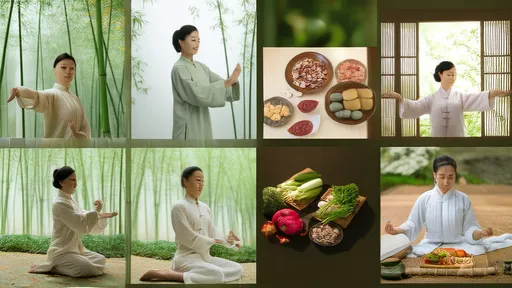
How I Caught My Body’s Early Warnings—And What Changed Everything
You don’t need a diagnosis to know something’s off—your body whispers long before it screams. For years, I ignored fatigue, stiffness, and mood dips, thinking they were just “part of life.” Then I discovered how small shifts in daily habits could reveal early imbalances. Blending gentle yoga, mindful meditation, and traditional Chinese wisdom, I found a way to listen deeper. This isn’t about curing illness—it’s about tuning in before problems grow. Here’s how I learned to respond with care, not fear.
The Quiet Signs We’re Wired to Ignore
Many of us carry subtle but persistent signals that something in our body is out of balance. These include unexplained fatigue that doesn’t lift with rest, shifts in sleep patterns such as waking at the same time each night, mood fluctuations that seem disproportionate to daily events, and minor aches that linger just long enough to be annoying but not alarming. These symptoms are often dismissed as the cost of a busy life. Yet, when considered together, they form a quiet language—the body’s way of communicating that systems are under strain.
Modern living makes it easy to overlook these signals. The culture of constant productivity encourages us to push through discomfort. Digital overload keeps our attention outward, rarely allowing space to turn inward and ask, “How am I really feeling?” Stress has become so normalized that many people no longer recognize what true calm feels like. In this environment, the ability to sense internal shifts—known in medical terms as interoception—becomes dulled, much like hearing loss in a noisy room. We adapt to the chaos until silence feels unfamiliar.
From a physiological perspective, these early signs often reflect disturbances in foundational systems. In Western medicine, chronic low-grade inflammation, dysregulation of the autonomic nervous system, or hormonal imbalances can manifest as vague symptoms long before a diagnosable condition appears. In traditional Chinese medicine (TCM), these same signals are viewed as disruptions in qi—the vital energy that flows through meridians—and imbalances between yin and yang. For example, persistent fatigue may indicate qi deficiency, while irritability and sleep issues could point to liver qi stagnation, often linked to emotional stress.
One real-world example is the shift from saying, “I’m just tired,” to recognizing a pattern. A woman in her early 40s might notice she’s exhausted by 3 p.m. every day, despite sleeping seven hours. She may also feel bloated after meals and experience frequent headaches. Individually, each symptom seems minor. But when tracked over time, they suggest a deeper rhythm disruption—possibly related to blood sugar regulation, digestive function, or adrenal fatigue. The moment she begins to connect these dots, she moves from passive endurance to active awareness. This is the first step toward meaningful change.
Yoga as a Mirror, Not Just a Workout
Yoga is often marketed as a physical practice focused on flexibility, strength, or weight management. But when approached with mindfulness, it becomes something far more powerful—a mirror that reveals the body’s inner state. Slow, intentional movement allows us to detect areas of tension, restriction, and imbalance that we might otherwise overlook. Unlike high-intensity workouts that mask discomfort with endorphins, gentle yoga invites stillness and observation. It’s not about how deep you can go into a pose, but what you notice along the way.
Specific practices can highlight different aspects of well-being. Morning joint-freeing sequences—gentle circles and stretches for the wrists, shoulders, hips, and ankles—help release overnight stiffness and improve circulation. These movements also stimulate synovial fluid production, supporting joint health. Mindful sun salutations, performed at a slow pace with attention to breath, synchronize movement and awareness, creating a moving meditation. Hip openers, such as pigeon pose or reclined figure-four stretches, are particularly revealing. The hips store emotional tension for many people, and opening them can bring unexpected emotional release—tears, memories, or a sudden sense of lightness.
Alignment in yoga is not about achieving a perfect form but about noticing where resistance lives. If one side of the body feels tighter in a symmetrical pose, that asymmetry may reflect habitual patterns—perhaps from carrying a child on one hip, sitting at a desk with poor posture, or unresolved emotional holding. These physical imbalances can mirror deeper energetic disruptions. In TCM, certain meridians run through specific parts of the body. For example, stiffness in the inner thighs may relate to the kidney or liver meridians, which are associated with stress resilience and detoxification. Chronic tightness in the shoulders and neck may indicate stagnation in the gallbladder meridian, often linked to decision fatigue and frustration.
By practicing yoga consistently, even for just 15 minutes a day, individuals begin to detect changes before they escalate. A slight increase in lower back tightness after a stressful week, for instance, can serve as an early warning sign of adrenal strain or poor sleep quality. This kind of body literacy allows for timely interventions—perhaps a restorative pose, a few minutes of deep breathing, or an earlier bedtime. Yoga, in this sense, becomes a preventive tool, not just a form of exercise. It teaches us to respond with care rather than wait for pain to demand attention.
Meditation That Actually Works—Even for Skeptics
For many, meditation sounds like another chore—something that requires silence, stillness, and a clear mind, all of which feel impossible in a busy household. But effective meditation doesn’t require perfection. Simple, breath-based techniques can be integrated into daily life without adding pressure. One of the most accessible is 4-6 breathing: inhale for four counts, exhale for six. This extended exhale activates the parasympathetic nervous system, signaling the body to shift from “fight or flight” to “rest and digest.” It can be done while waiting for the kettle to boil or sitting in the car before driving home.
Another powerful practice is the body scan, which builds interoception—the ability to sense internal states. Lying down or sitting comfortably, one slowly directs attention from the toes to the crown of the head, noticing sensations without judgment. Over time, this practice enhances sensitivity to subtle changes. A woman might begin to notice that her stomach feels warm and active when digestion is functioning well, or that her breath is shallow when anxiety is rising. These observations are not dramatic, but they are transformative. They represent a shift from reacting to symptoms to recognizing patterns in real time.
Personal experience shows how this awareness unfolds. One individual reported that after several weeks of daily 5-minute meditations, she began to detect a slight change in her heart rhythm during moments of stress—something she had never noticed before. Another noticed that her digestion improved when she took three deep breaths before eating, signaling the body to prepare for food. These small insights are not mystical; they are physiological. The nervous system responds to consistent, gentle input, and meditation provides that input in a way that fosters resilience.
For those with limited time, short sessions are more sustainable than long ones. Five to ten minutes a day, practiced consistently, yields greater benefits than an hour once a week. The goal is not spiritual achievement but nervous system regulation. This approach avoids the trap of “spiritual performance”—the idea that meditation must lead to bliss or enlightenment. Instead, it focuses on practical outcomes: better sleep, reduced irritability, improved focus. When meditation is framed this way, it becomes accessible, especially for women managing households, careers, and caregiving responsibilities. It’s not about adding more to the plate, but about creating moments of reset that support everything else.
Traditional Chinese Medicine: The Art of Prevention
At the heart of traditional Chinese medicine is a philosophy that stands in contrast to much of modern healthcare: health is not the absence of disease, but the presence of balance. This balance involves the smooth flow of qi, the harmony of yin and yang, and the optimal functioning of organ systems—not as isolated parts, but as interconnected elements of a whole. TCM emphasizes prevention, treating what are called “pre-patterns” before they solidify into diagnosable conditions. This proactive approach resonates deeply with those seeking long-term well-being rather than crisis management.
One of the most valuable concepts in TCM is the idea that symptoms are not enemies to be suppressed, but messengers to be understood. For example, frequent bloating after meals may not simply indicate poor digestion; it could reflect spleen qi deficiency, where the body struggles to transform food into energy. Similarly, waking between 1 a.m. and 3 a.m. consistently may point to liver qi stagnation, often tied to unexpressed emotions or overwork. These interpretations offer a framework for early intervention—adjusting diet, managing stress, or incorporating specific movements—before more serious imbalances arise.
TCM provides practical tools that can be used at home, without needles or complex rituals. Tongue observation, for instance, is a simple yet informative practice. A healthy tongue is pink, with a thin white coating and smooth edges. A pale tongue may suggest qi or blood deficiency, while a red tip can indicate heat or emotional stress. A thick, yellow coating might point to digestive stagnation or inflammation. Pulse awareness is another method—though best interpreted by a trained practitioner, even laypeople can learn to notice changes in rhythm or strength that correlate with energy levels or emotional states.
Aligning with seasonal rhythms is another cornerstone of TCM. Each season corresponds to specific organs and elements: spring with the liver and wood, summer with the heart and fire, autumn with the lungs and metal, and winter with the kidneys and water. Adjusting lifestyle habits—such as eating seasonally, modifying activity levels, and prioritizing rest—supports the body’s natural cycles. For example, eating warming, cooked foods in winter nourishes the kidneys, while increasing physical activity in spring supports liver function. These practices are not about rigid rules, but about cultivating attunement to natural flow.
Yet modern habits often disrupt these ancient rhythms. Excessive screen time, especially at night, interferes with melatonin production and weakens the heart’s fire. Diets high in processed foods burden the spleen and stomach. Chronic stress depletes kidney essence, the foundation of long-term vitality. By recognizing these misalignments, individuals can make small but meaningful adjustments. Turning off devices an hour before bed, choosing whole grains over refined ones, or taking short walks in nature are all ways to restore balance. TCM doesn’t demand a complete lifestyle overhaul—it invites gentle realignment, one choice at a time.
Building Your Early Warning System
Preventive health begins with awareness, and awareness grows from consistency. One of the most effective ways to cultivate this is through a daily check-in—a brief, intentional pause to assess energy, mood, digestion, and sleep quality. This practice takes no more than three minutes and can be done while brushing teeth, making tea, or settling into bed. The goal is not to judge or fix, but to observe. Over time, these small moments accumulate into a clear picture of personal rhythms and deviations.
Journaling enhances this process. Simple prompts such as “How did I sleep?” “What was my energy like at midday?” or “Did I notice any physical tension today?” help identify patterns. For example, a woman might realize that her energy crashes every Monday, coinciding with a heavy weekend schedule. Another might notice that bloating increases when she eats late at night. These insights are not obvious in the moment but emerge with reflection. A journal becomes a personal health map, revealing triggers and protective factors unique to the individual.
What matters most is consistency, not intensity. Tracking every detail is unnecessary and can become stressful. Instead, focusing on a few key indicators allows for sustainable monitoring. When changes occur—such as a shift in sleep duration or a new ache—they stand out more clearly against a stable baseline. This makes it easier to respond early, whether by adjusting diet, increasing rest, or modifying activity. The body thrives on routine, and small deviations are often the first sign that balance is shifting.
Simple lifestyle adjustments can then shift the trajectory. Walking for ten minutes after meals supports digestion and blood sugar regulation. Drinking warm water with lemon in the morning stimulates digestive fire. Going to bed just 20 minutes earlier can improve next-day energy. These actions may seem minor, but their cumulative effect is profound. Like compound interest, small, consistent choices build resilience over time. The early warning system isn’t about avoiding all discomfort—it’s about learning to respond with wisdom, not overwhelm.
When to Seek Support (And Why It’s Not Failure)
Self-awareness is powerful, but it is not a substitute for professional care. There are times when symptoms go beyond what can be managed at home. Persistent fatigue despite adequate sleep, unexplained weight changes, ongoing digestive issues, or sudden shifts in mood or cognition are red flags that warrant medical evaluation. A family history of certain conditions, such as heart disease or diabetes, also increases the importance of timely screening. Recognizing these signs is not a sign of failure—it’s an act of responsibility.
Integrating professional guidance strengthens the preventive approach. Trained TCM practitioners can assess pulse and tongue in detail, offering personalized herbal or dietary recommendations. Integrative doctors blend conventional diagnostics with holistic insights, providing a more complete picture. Therapists can help address emotional patterns that manifest physically, such as stress-related headaches or digestive issues. These professionals are not replacements for self-care, but allies in a comprehensive health strategy.
One of the greatest benefits of developing body awareness is the ability to engage in informed dialogue with healthcare providers. Instead of saying, “I just don’t feel right,” a woman can report, “I’ve noticed I wake at 2 a.m. three nights a week, my tongue has a thick white coating, and my energy drops after lunch.” These specific observations provide valuable clues, making consultations more productive. It shifts the dynamic from passive patient to active participant in one’s own health.
Seeking support is not a retreat from self-reliance—it’s an expansion of it. True wellness includes knowing when to act independently and when to reach out. The goal is not to manage everything alone, but to build a network of tools and relationships that support long-term vitality. This balanced approach honors both personal insight and professional expertise, creating a safety net that allows for deeper prevention and earlier intervention.
Making It Stick: Wellness as a Quiet Rebellion
In a world that celebrates busyness, choosing stillness is an act of quiet rebellion. Preventive health often feels invisible because nothing dramatic happens—until it prevents something dramatic. There’s no applause for the heart attack that didn’t occur, the autoimmune flare-up that was avoided, or the burnout that was sidestepped. The rewards are subtle: sustained energy, emotional stability, and a sense of groundedness. These may not make headlines, but they shape the quality of daily life.
Cultivating this kind of wellness requires patience. Benefits build slowly, like compound interest for health. A single yoga session won’t transform the body, but a year of consistent practice can. One meditation won’t rewire the brain, but daily practice over months can shift stress responses. The power lies in repetition, not intensity. This is especially important for women who may feel pressured to achieve quick results. Sustainable change is not about perfection—it’s about showing up, even when motivation is low.
Creating rituals, rather than rigid routines, makes practices more likely to endure. Rituals are tied to meaning and habit, not willpower. For example, doing three stretches after brushing teeth, or taking five mindful breaths with the first sip of morning coffee, anchors wellness into existing behaviors. These micro-moments accumulate, weaving care into the fabric of daily life. They don’t require extra time—just intention.
In the end, this journey is not about chasing perfect health. It’s about showing up for yourself, day after day, before crisis calls. It’s about learning to listen to the whispers—the fatigue, the stiffness, the mood shift—and responding with kindness. It’s about building a life where well-being isn’t an afterthought, but a quiet, consistent presence. And in that presence, there is profound strength.