What I Learned the Hard Way About Massage Therapy in Recovery
I used to think more pressure during massage meant better results—until I made my pain worse. Many people turn to massage therapy during rehabilitation, hoping for relief, only to unknowingly delay healing. What feels good isn’t always helpful. Through trial, error, and professional guidance, I discovered common missteps that can sabotage recovery. This is what I wish I’d known earlier—so you don’t have to learn the hard way. Recovery is not just about temporary comfort; it’s about restoring function, reducing inflammation, and rebuilding strength in a way that supports long-term wellness. Understanding how to use massage wisely can make the difference between healing well and prolonging discomfort.
The Allure of Quick Relief: Why We Turn to Massage in Rehab
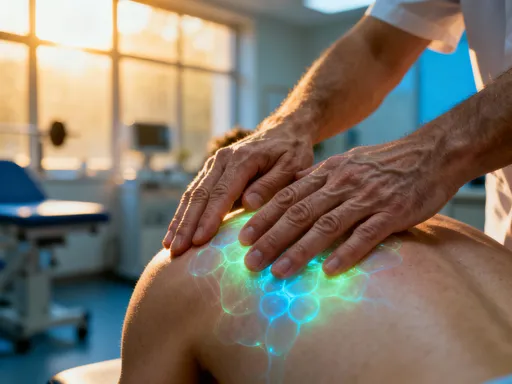
When recovering from an injury, whether it’s a sprained ankle, a strained back, or post-surgical rehabilitation, the desire for relief is powerful. Pain and stiffness can disrupt daily life, sleep, and mood. In this vulnerable state, massage therapy often appears as a natural solution—a way to ease tension, soothe sore muscles, and regain a sense of control. The gentle pressure of hands, the warmth of touch, and the quiet atmosphere of a treatment room offer immediate comfort. It’s no wonder so many turn to massage during recovery, seeking both physical and emotional relief.
Yet, while touch has profound effects on the nervous system—reducing stress hormones like cortisol and increasing feel-good chemicals such as serotonin and oxytocin—comfort does not always equal correction. The emotional relief provided by massage can create a false sense of progress. A person may leave a session feeling looser and calmer, only to experience increased soreness or swelling hours later. This gap between feeling better and healing properly is where many go astray. The body’s healing process follows biological timelines and physiological rules, not emotional responses.
Additionally, the marketing of massage as a cure-all contributes to misconceptions. Advertisements often promote deep tissue work as a way to “release toxins” or “break up scar tissue,” claims that lack strong scientific backing. These narratives can lead individuals to believe that more intense treatment equals faster recovery. In reality, rehabilitation is a nuanced process that requires precision, patience, and coordination among healthcare providers. Relying solely on massage without understanding its proper role risks undermining the very progress one hopes to achieve.
Pitfall #1: Treating Pain with Aggressive Techniques
One of the most common mistakes in using massage during recovery is equating deep pressure with effectiveness. Many believe that if a massage doesn’t hurt, it isn’t working. This “no pain, no gain” mindset, while familiar in fitness, does not apply to healing injured tissues. In fact, aggressive techniques—especially when applied too soon or too forcefully—can increase inflammation, irritate nerves, and delay recovery. Soft tissues such as muscles, tendons, and ligaments require time and appropriate stimulation to repair. Excessive pressure disrupts this process by causing microtrauma, which the body must then heal in addition to the original injury.
The physiology of tissue healing involves several stages: inflammation, proliferation, and remodeling. During the early inflammatory phase, blood flow increases to the injured area to deliver immune cells and nutrients. Applying deep pressure at this stage can amplify swelling and prolong discomfort. Even in later phases, when scar tissue begins to form, forcefully manipulating it without proper preparation can lead to re-injury. Research shows that controlled, gentle mechanical stimulation supports collagen alignment and tissue strength, whereas unregulated force leads to disorganized repair and potential chronic pain.
Consider the case of someone recovering from a rotator cuff strain who receives a deep tissue massage focused on the shoulder. While the therapist may intend to “loosen” tight muscles, the pressure could compress already irritated tendons, aggravating impingement and increasing pain. Instead of accelerating healing, the session sets back progress by days or even weeks. The belief that pain during massage indicates “releasing tension” is a myth. True therapeutic benefit comes from working within the body’s tolerance, not pushing beyond it. Pain is a signal, not a benchmark of success.
Pitfall #2: Ignoring the Role of Timing and Phase of Healing
Just as medication is prescribed according to dosage and timing, manual therapy must align with the body’s healing timeline. The same massage technique that is beneficial in one phase of recovery can be harmful in another. For example, light effleurage (long, gliding strokes) may help reduce swelling during the acute phase of an injury by supporting lymphatic drainage. However, deep friction or myofascial release at this stage could worsen inflammation and increase recovery time.
The body’s response to injury follows a predictable pattern. In the first 48 to 72 hours after trauma, the inflammatory phase dominates. During this time, the priority is protecting the area, minimizing further damage, and allowing the natural healing cascade to begin. Massage should be extremely gentle, if used at all. After inflammation subsides, the proliferative phase begins, lasting up to several weeks. New tissue forms, and controlled movement becomes important. This is when carefully applied massage can support circulation and prevent excessive scar tissue adhesions. Finally, in the remodeling phase, which can last months, the focus shifts to restoring strength, flexibility, and function. Massage can play a supportive role here by improving tissue mobility and reducing residual tension.
Applying deep or aggressive techniques too early is like trying to remodel a house before the foundation is dry. The structure may appear improved temporarily, but underlying instability remains. A massage therapist who understands these phases will adjust pressure, technique, and duration accordingly. They may delay certain interventions until the body is ready, rather than imposing a one-size-fits-all approach. Timing is not a minor detail—it is a critical component of effective rehabilitation. Without it, even well-intentioned therapy can become counterproductive.
Pitfall #3: Relying on Massage Without Active Engagement
Another significant risk in rehabilitation is treating massage as a standalone solution. While passive therapies like massage, heat, or ultrasound can provide symptomatic relief, they do not rebuild strength, improve coordination, or restore functional movement. Recovery requires active participation—controlled exercise, stretching, neuromuscular re-education, and gradual loading of tissues. When individuals rely too heavily on massage, they may neglect these essential components, believing that frequent sessions are sufficient for healing.
This overreliance can lead to a cycle of temporary relief followed by recurring symptoms. A person may feel better immediately after a massage but return to the same activities or postures that contributed to the injury, without addressing the root causes. For instance, someone with chronic lower back pain may enjoy regular massages that ease muscle tightness, but if they do not strengthen their core, improve posture, or modify lifting techniques, the tightness will return. Massage treats the symptom, not the cause.
Furthermore, excessive passive treatment can foster dependency. The brain begins to associate relief with external intervention rather than self-care and movement. This mindset can reduce motivation to engage in prescribed exercises or lifestyle changes. In some cases, individuals may delay returning to normal activities, waiting instead for their next massage session to “fix” them. True recovery, however, comes from empowering the body to heal and function independently. Passive therapies should complement, not replace, active rehabilitation. They are tools in the toolkit—not the entire toolbox.
How to Use Massage Wisely: Aligning with Rehab Goals
When integrated thoughtfully, massage therapy can be a valuable part of a comprehensive rehabilitation plan. The key is to view it as a supportive modality, not the primary driver of recovery. A well-coordinated approach involves collaboration between the massage therapist, physical therapist, and the individual. Communication among these parties ensures that massage techniques align with current treatment goals, such as reducing muscle guarding, improving circulation, or preparing tissues for exercise.
For example, a person recovering from knee surgery may benefit from gentle massage around the quadriceps to reduce swelling and prevent muscle atrophy during early mobilization. This can make physical therapy exercises more comfortable and effective. Later in recovery, massage can help address compensatory tension in the hips or lower back that developed due to altered movement patterns. In each case, the massage serves a specific, goal-oriented purpose rather than being a generic relaxation session.
Setting realistic expectations is also crucial. Massage should not be expected to “cure” an injury or eliminate pain entirely. Instead, its role is to enhance comfort, support tissue health, and facilitate participation in active therapies. Patients should ask: Does this session help me move better? Am I able to perform my exercises with less discomfort? Is my therapist adjusting their approach based on my progress? These questions keep the focus on functional outcomes rather than momentary relief.
Additionally, frequency matters. Weekly or biweekly sessions may be appropriate during intensive recovery phases, but as function improves, the need for massage typically decreases. Overuse can lead to diminishing returns and unnecessary expense. A strategic, phased approach—increasing support when needed and tapering as strength returns—is most effective. The goal is not lifelong dependence on massage, but temporary assistance in reaching independence.
What to Look for in a Rehab-Savvy Massage Therapist
Not all massage therapists are trained or experienced in rehabilitation settings. While many offer excellent general relaxation services, working with injuries requires additional knowledge of anatomy, pathology, and healing processes. To ensure safe and effective care, individuals should seek therapists who specialize in medical or clinical massage, have experience with rehabilitation clients, and are willing to communicate with other healthcare providers.
Key qualifications to look for include certification in orthopedic massage, training in myofascial release, or experience working in physical therapy clinics. A rehab-savvy therapist will take a detailed health history, ask about current treatments, and modify techniques based on diagnosis and stage of healing. They will avoid making promises like “I’ll fix your back in three sessions” and instead emphasize collaboration and gradual progress.
Red flags include therapists who insist on aggressive pressure despite discomfort, dismiss medical advice, or discourage exercise. A good therapist respects boundaries, listens to feedback, and adjusts in real time. They should encourage questions and explain their approach in clear, understandable terms. Asking questions such as “What technique are you using and why?” or “How does this support my recovery plan?” can reveal whether the therapist is working with intention and knowledge.
Additionally, permission to share information with a physical therapist or doctor is a sign of professionalism. A therapist who values integrated care will welcome communication and may even suggest coordinating treatment plans. This level of collaboration ensures that massage supports, rather than conflicts with, other aspects of rehabilitation.
Balancing Relief and Recovery: A Smarter Approach
Recovery is not a race to feel better—it is a journey to heal correctly. The lessons learned from missteps in massage therapy highlight a broader truth: healing requires balance. Passive therapies like massage provide comfort, but lasting progress comes from active engagement, patience, and respect for the body’s natural processes. The most effective rehabilitation plans combine the best of both worlds—using touch to support, not substitute, the hard work of rebuilding strength and function.
Listening to the body is essential. Discomfort during or after a massage should not be dismissed as “just part of the process.” Sharp pain, increased swelling, or prolonged soreness are signals to reassess technique and timing. Healing timelines vary, and pushing too hard too soon rarely leads to faster results. In fact, studies in sports medicine consistently show that gradual, progressive loading leads to stronger, more resilient tissues than aggressive interventions.
Consulting licensed professionals—physical therapists, physicians, and qualified massage therapists—ensures that care is evidence-based and coordinated. No single modality holds all the answers. A physical therapist can design a personalized exercise program, a doctor can monitor medical progress, and a skilled massage therapist can enhance comfort and tissue quality. Together, they form a support system that honors both the science and the humanity of recovery.
Ultimately, the goal is not just to return to normal activities, but to emerge stronger and more informed. Understanding the role of massage in rehabilitation empowers individuals to make smarter choices—ones that prioritize long-term health over short-term relief. Recovery is not just about how you feel in the moment; it’s about how well your body functions for years to come. By aligning treatment with purpose, respecting healing phases, and staying actively involved, it’s possible to recover not just successfully, but wisely.