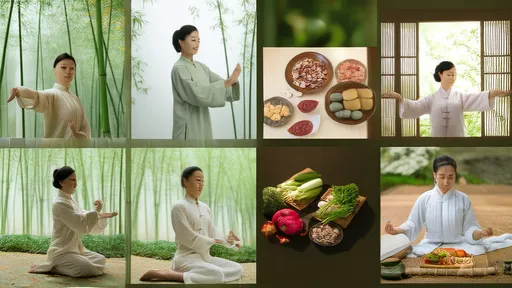
How I Finally Tamed My Stress — The Real Talk Guide to Movement That Works
Stress isn’t just in your head — it lives in your muscles, your breath, your daily rhythm. For years, I thought pushing harder was the answer, until burnout hit hard. What changed? Not meditation apps or fancy retreats, but simple, science-backed movement. This isn’t about intense workouts — it’s about moving with purpose. Let’s explore how exercise, done right, can reset your nervous system and reclaim your calm, one step, stretch, and breath at a time.
The Hidden Cost of Chronic Stress (What It Really Does to Your Body)
Chronic stress is more than just feeling overwhelmed or having a long to-do list. It’s a persistent physiological state in which the body remains on high alert, even when there’s no immediate danger. Unlike acute stress, which might come from a tight deadline or a sudden scare and then pass, chronic stress lingers. It rewires the way your body functions over time, affecting systems you may not even realize are connected to your emotional state. The human body was designed to respond to threats with a burst of energy and focus, then return to balance. But when that “fight-or-flight” switch gets stuck in the “on” position, the consequences accumulate quietly, often beneath the surface.
At the core of this response is the release of stress hormones like cortisol and adrenaline. These chemicals prepare the body to act quickly — increasing heart rate, sharpening senses, and redirecting blood flow to major muscles. In a true emergency, this is life-saving. But when these hormones flood the system day after day, they take a toll. Elevated cortisol levels over time can disrupt sleep, weaken immune function, contribute to weight gain (especially around the abdomen), and impair cognitive performance. Many women in their 30s to 50s report feeling “constantly wired but exhausted,” a phrase that captures the paradox of being both overstimulated and drained. This isn’t laziness or poor time management — it’s biology under prolonged strain.
Physically, chronic stress manifests in ways that are easy to dismiss as “just part of getting older” or “a busy life.” Persistent muscle tension, especially in the neck, shoulders, and jaw, is one of the most common signs. Headaches, digestive discomfort, and a racing mind at bedtime are also frequent companions. Sleep, which should be restorative, becomes shallow or fragmented, further reducing resilience. Energy levels dip, not because of inadequate caffeine or sleep, but because the body is spending its resources on survival rather than renewal. The heart, too, bears the burden, as sustained stress contributes to elevated blood pressure and increased cardiovascular risk over time.
Perhaps the most important thing to understand is that chronic stress is not a personal failing. It is not a sign of weakness or poor discipline. It is the body’s natural reaction to unrelenting demands — from work, family responsibilities, financial pressures, or societal expectations. For many women, the role of caregiver, organizer, and emotional anchor means that their own needs are consistently deprioritized. The body keeps score, even when the mind tries to ignore it. Recognizing this physiological reality is the first step toward healing. It shifts the conversation from “Why can’t I handle this?” to “What can I do to help my body find balance again?” And one of the most powerful tools available is not medication or escape, but movement.
Why Movement Beats Stillness When Stress Hits
When stress strikes, the instinctive response for many is to retreat. The idea of resting, lying down, or “just stopping” feels like the only way to survive the overwhelm. And while rest is important, passive stillness alone often fails to resolve the physical residue of stress. This is because stress isn’t only a mental or emotional experience — it’s stored in the body. The clenched jaw, the tight shoulders, the shallow breathing — these are all signs that the nervous system is stuck in survival mode. Rest may quiet the mind temporarily, but movement has the unique ability to reset the body’s internal state.
Movement works on the autonomic nervous system, which controls involuntary functions like heart rate, digestion, and breathing. This system has two main branches: the sympathetic, which activates during stress, and the parasympathetic, which promotes relaxation and recovery. Chronic stress keeps the sympathetic system dominant, making it difficult to “switch off.” Physical activity, especially rhythmic and mindful forms, helps activate the parasympathetic nervous system, signaling safety to the body. It’s not about exertion; it’s about sending a biological message: “The threat has passed. You can relax now.”
This leads to the concept of somatic release — the idea that emotions and stress are physically held in the body and can be released through movement. When we move, especially in ways that involve breath coordination and gentle muscular engagement, we allow stored tension to discharge. Think of how a dog shakes itself after a scare, or how children jump and run after a stressful event. Humans have the same biological need, but social norms often suppress it. We’re expected to “stay composed,” even when our bodies are screaming for release. Movement becomes a form of embodied processing, allowing stress to move through rather than settle in.
Research consistently shows a strong connection between physical activity and improved mental well-being. People who engage in regular movement report lower levels of anxiety, better mood regulation, and increased resilience to daily pressures. This isn’t about achieving fitness goals or burning calories — it’s about restoring nervous system balance. The body wasn’t designed to sit still for hours, processing emails and suppressing emotions. It was built to move, to respond, to recover. When we reintroduce purposeful movement into our routines, we aren’t just improving physical health — we’re giving the brain and body a chance to recalibrate. Stillness may offer temporary relief, but movement offers transformation.
Not All Exercise Is Equal: What Actually Helps with Stress
When we hear the word “exercise,” many of us picture intense workouts: running on a treadmill, lifting heavy weights, or fast-paced fitness classes. While these activities have their place, they aren’t always the best choice for stress relief — especially when the body is already under strain. High-intensity exercise can increase cortisol levels, at least in the short term, and for someone already experiencing chronic stress, this may add to the physiological burden rather than alleviate it. The key isn’t intensity; it’s alignment with what the body actually needs in the moment.
Different forms of movement serve different purposes, and understanding this can help you choose more wisely. Aerobic activities, such as walking, swimming, or cycling at a moderate pace, increase blood flow and stimulate the release of endorphins, the body’s natural mood lifters. These activities are particularly effective when stress shows up as restlessness or mental fog. Strength training, when done with mindful attention and controlled breathing, can build not only physical resilience but also a sense of personal empowerment. However, heavy lifting or competitive training may not be ideal on days when emotional reserves are low.
Flexibility and mindful movement practices stand out as especially beneficial for stress reduction. Yoga, tai chi, and stretching routines combine physical motion with breath awareness, creating a meditative effect that calms the nervous system. These practices emphasize slow, intentional movements, often synchronized with the breath, which helps shift the body from a state of tension to one of regulation. The focus is not on performance but on presence — noticing how the body feels, where tension resides, and allowing it to soften. This mind-body connection is a powerful antidote to the dissociation that often accompanies chronic stress.
Among the most accessible and effective options are walking and dancing. A simple walk in nature, even for ten minutes, can significantly reduce cortisol levels and improve mood. The rhythmic motion, combined with exposure to natural light and fresh air, creates a soothing effect. Dancing, even alone in the kitchen, engages the body in joyful, expressive movement, releasing endorphins and breaking the cycle of rumination. The key is enjoyment. If an activity feels like a chore, it’s unlikely to provide lasting stress relief. The goal is not to “work out” but to move in ways that feel good, sustainable, and nourishing. Consistency matters far more than intensity.
The Daily Dose: How Much and How Often to Move
One of the biggest misconceptions about stress-relieving movement is that it requires long, dedicated sessions. The truth is, even small amounts of intentional motion, spread throughout the day, can make a meaningful difference. The goal isn’t to transform into an athlete overnight but to weave movement into the fabric of daily life in ways that feel manageable and natural. For women juggling multiple roles — parent, partner, professional, caregiver — the idea of adding another “task” can feel overwhelming. That’s why the concept of “movement snacks” is so powerful.
Think of these as brief, intentional bursts of activity: a five-minute stretch after waking, a 10-minute walk after lunch, shoulder rolls and neck stretches during work breaks, or a gentle bedtime routine that includes deep breathing and mobility work. These moments don’t require special equipment, a gym membership, or even changing clothes. They simply require awareness and a willingness to listen to the body’s signals. Over time, these small actions accumulate, much like compound interest, building resilience and reducing the overall stress load.
General guidelines suggest that 150 minutes of moderate-intensity aerobic activity per week, combined with muscle-strengthening activities on two or more days, supports overall health. But when it comes to stress management, frequency and consistency matter more than total volume. A daily 10-minute walk, done with attention to breath and surroundings, may be more effective than a single 90-minute workout once a week. Timing also plays a role. Morning movement can set a calm tone for the day, while evening movement — especially gentle forms like stretching or restorative yoga — can signal the body that it’s time to wind down.
The key is to lower the barrier to entry. Instead of aiming for perfection, aim for presence. If you only have three minutes, stand up, reach your arms overhead, take five deep breaths, and notice how your body responds. These micro-moments of awareness disrupt the cycle of chronic tension and remind the nervous system that it can relax. Over time, they build a new habit: not just moving the body, but reconnecting with it. And that reconnection is where true stress relief begins.
Matching Movement to Your Mood (A Practical Framework)
Not every day feels the same, and neither should your movement routine. One of the most empowering shifts you can make is learning to match your activity to your emotional and physical state. This isn’t about pushing through fatigue or forcing a workout when your body resists. It’s about tuning in and responding with compassion. Just as you wouldn’t wear the same shoes for hiking and swimming, you don’t need to approach movement with a one-size-fits-all mindset.
When anxiety is high — when the mind is racing and the body feels jittery — rhythmic, repetitive movement can be incredibly grounding. Activities like walking, slow jogging, swimming, or even rocking in a chair provide a steady, predictable pattern that helps regulate the nervous system. The repetition creates a kind of “neural lullaby,” calming overactive brain circuits. Pairing this with focused breathing enhances the effect, as the body learns to synchronize movement and breath, restoring a sense of control.
When you feel emotionally drained or physically exhausted, high-energy activities may do more harm than good. This is when gentle, restorative practices shine. Restorative yoga, seated stretches, or even lying on the floor with legs elevated against a wall can activate the parasympathetic nervous system without demanding effort. The goal isn’t to “do” anything, but to allow the body to receive support. I learned this the hard way — forcing myself to run on days when I was emotionally flat only left me more depleted. Once I allowed myself to choose stillness or soft movement, I began to recover more quickly.
On days when motivation is low but the body feels restless, playful movement can help. Dancing to a favorite song, gardening, or playing with a pet introduces joy and spontaneity, breaking the monotony of stress. The emphasis isn’t on fitness but on engagement. When movement feels like a gift rather than a demand, it becomes sustainable. The practice of self-awareness — checking in with how you truly feel, not how you think you “should” feel — is the foundation of this approach. It fosters a kinder, more intuitive relationship with your body, one that honors its needs rather than overriding them.
Building a Sustainable Routine: From “I Should” to “I Do”
The shift from knowing what to do to actually doing it is where many people get stuck. You may understand the benefits of movement, but still find it hard to start or maintain a routine. This isn’t a lack of willpower — it’s a sign that the approach may not be aligned with real life. Sustainable change doesn’t come from motivation, which fades, but from systems and habits that make action easier. The goal isn’t perfection; it’s progress, one small step at a time.
Common barriers include lack of time, low energy, and competing priorities. The solution isn’t to carve out an hour for exercise, but to integrate movement into existing routines. Habit stacking — pairing a new behavior with an established one — is highly effective. For example, do a few shoulder stretches after brushing your teeth, or take a short walk after dinner. Environment design also helps: keep walking shoes by the door, place a yoga mat in a visible spot, or set a gentle reminder on your phone. These small cues reduce friction and make it easier to act.
Lowering the bar for success is crucial. Instead of aiming for a 30-minute workout, commit to “moving for five minutes.” Often, starting is the hardest part, and once you begin, you may find yourself continuing. Pairing movement with something enjoyable — like listening to a podcast, audiobook, or favorite music — increases the likelihood of follow-through. The brain begins to associate movement with pleasure, not punishment.
It’s also important to accept that progress isn’t linear. There will be days when you miss a walk, skip a stretch, or feel too tired to move. That’s not failure — it’s part of the process. Self-compassion is a cornerstone of sustainability. Treat yourself with the same kindness you would offer a friend. Over time, these small, consistent actions build a new identity: not “someone who struggles to exercise,” but “someone who moves with care.” And that shift changes everything.
When to Seek Help: Movement Is Support, Not a Substitute
While movement is a powerful tool for managing stress, it is not a cure-all. There are times when stress becomes overwhelming and extends beyond what lifestyle changes can address. Persistent anxiety, unrelenting sadness, chronic insomnia, or physical symptoms without a clear medical cause may indicate the need for professional support. Movement can help regulate mood and improve resilience, but it should not replace therapy, counseling, or medical care when those are needed.
Signs that it may be time to seek help include difficulty functioning in daily life, constant feelings of hopelessness, or an inability to find relief even with self-care efforts. Some women experience physical symptoms like chest tightness, dizziness, or digestive issues that persist despite efforts to manage stress. In these cases, a healthcare provider can help determine whether there’s an underlying condition or whether support from a mental health professional would be beneficial.
Therapy, particularly approaches like cognitive behavioral therapy (CBT) or trauma-informed care, can help address the root causes of stress and build coping strategies. Medication may also be appropriate for some individuals, especially when symptoms interfere with quality of life. The goal isn’t to “fix” yourself alone, but to build a support system that honors your well-being. Movement is one piece of that system — a valuable one, but not the only one.
Viewing self-care as a holistic practice means combining physical, emotional, and social support. Talking to a trusted friend, setting boundaries, prioritizing rest, and seeking professional guidance when needed are all acts of courage and strength. Movement enhances these efforts, but it doesn’t replace them. By integrating movement into a broader ecosystem of care, you create a foundation for lasting well-being.
Your Body Was Built to Move — Let It Heal You
The journey from chronic stress to embodied calm isn’t about dramatic transformations or quick fixes. It’s about returning to a fundamental truth: your body was designed to move, and in that movement lies the power to heal. Years of pushing through, ignoring signals, and prioritizing everything else over self-care can leave you feeling disconnected. But every step, every stretch, every conscious breath is an invitation to come back home to yourself.
Small, consistent actions create lasting change. You don’t need to run a marathon or master yoga poses to benefit. You simply need to begin — not perfectly, but sincerely. Whether it’s a walk around the block, a few minutes of stretching by the window, or swaying gently to music in the kitchen, each moment of movement is a declaration: “I matter. My well-being matters.”
Over time, these moments accumulate into a new rhythm, one that supports energy, clarity, and peace. Movement becomes not a task to check off, but a companion on the journey of life. It teaches patience, presence, and self-trust. It reminds you that you are not just your thoughts or your responsibilities — you are a living, breathing, moving being, capable of resilience and renewal.
So start where you are. Use what you have. Do what you can. Let your body lead the way. One breath, one step, one stretch at a time, you can reclaim your calm and build a life that moves with you, not against you.