How Acupuncture and Massage Transformed My Recovery Journey
Recovering from physical strain or injury isn’t just about rest—it’s about active healing. I discovered this the hard way after months of fatigue and stiffness. What changed? Integrating acupuncture and massage into my recovery routine. These time-tested therapies didn’t just ease pain—they restored mobility and energy. In this article, I’ll explain how they work, why they matter, and how you can safely include them in your body’s healing process, always under professional guidance. The journey back to wellness isn’t always fast, but with the right support, it can be deeply transformative.
The Hidden Struggle Behind Body Recovery
Many people believe that rest alone is enough to heal the body after injury, overuse, or chronic stress. While downtime is essential, it often fails to address the deeper layers of physical tension and inflammation that linger beneath the surface. For women in their 30s to 50s, who often juggle family responsibilities, household duties, and professional obligations, physical recovery can quietly take a backseat. The result? Persistent aches, stiffness in the neck and shoulders, lower back discomfort, and a constant sense of fatigue that no amount of sleep seems to resolve.
These symptoms are not simply signs of aging or overwork—they are signals that the body’s recovery systems are overwhelmed. Muscles tighten, circulation slows, and connective tissues begin to form adhesions that restrict movement. Without targeted intervention, minor discomfort can evolve into long-term dysfunction. Conventional approaches such as pain relievers or occasional stretching may offer temporary relief, but they rarely promote true healing. The body needs more than masking symptoms; it needs active support to restore balance and function.
This is where the limitations of passive recovery become clear. The body is not a machine that resets with rest—it is a dynamic system that thrives on movement, circulation, and neural communication. When these systems are disrupted, healing slows. The realization that recovery must be intentional—not incidental—led many, including myself, to explore complementary therapies that work with the body’s natural processes. Among the most effective and well-supported are acupuncture and massage therapy, two practices with deep historical roots and growing scientific validation.
Understanding Acupuncture: Science Meets Tradition
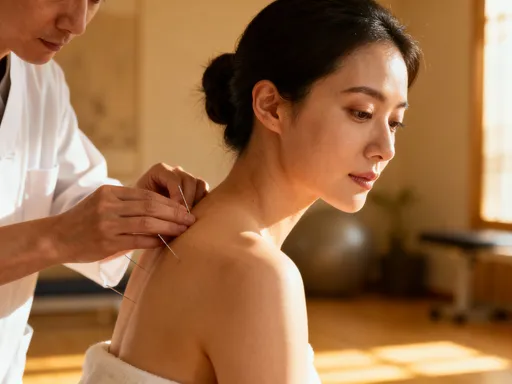
Acupuncture is a therapeutic practice rooted in traditional Chinese medicine, but its mechanisms are increasingly understood through modern science. It involves the insertion of fine, sterile needles into specific points on the body—known as acupoints—that correspond to neural pathways and connective tissue planes. Far from being mystical, acupuncture functions as a form of neuromodulation, influencing how the nervous system regulates pain, inflammation, and muscle tone. For individuals recovering from physical strain, this can mean meaningful improvements in comfort and mobility.
Research has shown that acupuncture stimulates the release of endorphins—natural pain-relieving chemicals in the body—and enhances blood flow to targeted areas. It also helps regulate the autonomic nervous system, shifting the body from a stressed “fight-or-flight” state to a calmer “rest-and-digest” mode. This shift is crucial during recovery, as chronic stress can impair healing by increasing inflammation and reducing circulation. By promoting a more balanced nervous response, acupuncture creates a physiological environment where healing can proceed more efficiently.
One of the most significant benefits of acupuncture in recovery is its ability to reduce localized inflammation. Studies using imaging techniques have observed decreased markers of inflammation in tissues surrounding acupuncture points. This is particularly valuable for conditions like tendonitis, muscle strains, or joint discomfort, where inflammation prolongs healing time. Additionally, acupuncture can improve nerve signaling, helping to re-establish communication between the brain and injured areas—something that is often disrupted after trauma or repetitive use.
It’s important to emphasize that acupuncture is not a cure-all. It does not replace medical treatment for serious injuries or conditions. However, as a supportive therapy, it plays a valuable role in a comprehensive recovery plan. When administered by a licensed practitioner, it is safe, minimally invasive, and well-tolerated by most individuals. For many women managing the physical demands of daily life, acupuncture offers a way to address root causes of discomfort rather than simply enduring symptoms.
How Massage Therapy Supports Physical Healing
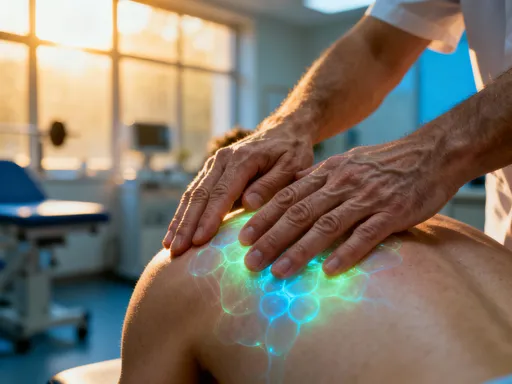
Massage therapy is often associated with relaxation, but its benefits extend far beyond stress reduction. When used therapeutically, massage is a powerful tool for enhancing physical recovery. It works by manipulating soft tissues—muscles, tendons, ligaments, and fascia—to improve circulation, reduce muscle tension, and promote the removal of metabolic waste products like lactic acid. For someone recovering from injury or chronic strain, these effects can significantly shorten recovery time and improve functional outcomes.
There are several techniques used in therapeutic massage, each serving a specific purpose. Deep tissue massage, for example, targets deeper layers of muscle and connective tissue, making it effective for chronic tension and scar tissue breakdown. Myofascial release focuses on the fascia—the web-like connective tissue that surrounds muscles—and helps restore flexibility and reduce restrictions that contribute to pain and limited movement. Swedish massage, while gentler, enhances overall circulation and supports lymphatic drainage, which aids in reducing swelling and promoting tissue repair.
One of the key ways massage supports healing is by increasing blood flow to injured areas. Enhanced circulation delivers oxygen and nutrients essential for tissue regeneration while helping remove cellular debris and inflammatory byproducts. This dual action accelerates the body’s natural repair processes. Additionally, massage helps prevent the formation of adhesions—abnormal bands of tissue that can form after injury or inactivity. These adhesions restrict movement and contribute to long-term stiffness, especially in areas like the shoulders, hips, and lower back.
Another benefit of massage is its impact on the nervous system. Regular sessions can help lower cortisol levels, the hormone associated with stress, and increase serotonin and dopamine, which contribute to improved mood and pain tolerance. For women managing the emotional and physical demands of daily life, this neurochemical shift can make a meaningful difference in overall well-being. When combined with other recovery strategies, massage becomes not just a luxury, but a necessary component of sustainable health.
Why Combining Both Boosts Recovery Outcomes
While acupuncture and massage each offer distinct benefits, their combined use can create a synergistic effect that enhances overall recovery. The integration of these therapies allows for a more comprehensive approach—one that addresses both the nervous system and the musculoskeletal system. Acupuncture helps prepare the body for deeper physical work by calming the nervous system and reducing pain sensitivity, making massage more effective and comfortable. In turn, massage can amplify the circulation and tissue relaxation initiated by acupuncture.
Clinical observations and patient reports suggest that this combination leads to faster relief and longer-lasting results. For example, someone experiencing chronic lower back pain may find that acupuncture reduces nerve-related discomfort and muscle guarding, allowing the massage therapist to work more effectively on tight tissues without triggering pain responses. Similarly, individuals recovering from repetitive strain injuries, such as those from prolonged computer use, often report greater improvements when both therapies are used together rather than in isolation.
The synergy between acupuncture and massage also supports long-term functional restoration. Acupuncture helps retrain the nervous system to respond more appropriately to pain and movement, while massage helps recondition the soft tissues to move freely and without restriction. This dual action is particularly beneficial for middle-aged adults, whose bodies may be experiencing the cumulative effects of years of physical demands. Over time, consistent use of both therapies can lead to improved posture, greater range of motion, and reduced reliance on pain medication.
It’s important to note that results are progressive. These therapies are not instant fixes but cumulative processes that build on each session. A single treatment may offer temporary relief, but lasting change comes with regular, guided care. When integrated into a broader recovery plan that includes proper movement, hydration, and medical oversight, acupuncture and massage become powerful allies in restoring and maintaining physical health.
What to Expect During a Session: Demystifying the Experience
For many, the idea of acupuncture or therapeutic massage can feel intimidating, especially if it’s unfamiliar. Understanding what happens during a session can help reduce anxiety and encourage informed participation. Both therapies begin with a consultation, during which the practitioner reviews medical history, current symptoms, and recovery goals. This assessment ensures that treatment is tailored to individual needs and safety is prioritized.
In an acupuncture session, the practitioner identifies specific acupoints based on the presenting condition. The needles used are extremely thin—about the width of a human hair—and most people feel little to no pain upon insertion. Some experience a mild ache, warmth, or tingling, known as “de qi,” which is considered a sign of energy activation in traditional terms and neural stimulation in modern terms. The needles are typically left in place for 20 to 30 minutes while the patient rests in a quiet, comfortable setting. Many report feeling deeply relaxed, even falling asleep during the session.
Massage therapy sessions also begin with a discussion of areas of concern and pressure preferences. The therapist uses oil or lotion and applies varying levels of pressure depending on the technique. During deep tissue work, some discomfort may occur as tight areas are released, but it should never be unbearable. Open communication with the practitioner is encouraged throughout the session to ensure comfort and effectiveness. After either treatment, it’s common to feel relaxed, slightly lightheaded, or even energized. Some experience mild soreness the next day, similar to post-exercise fatigue, which typically resolves quickly.
Safety protocols are strictly followed in professional settings. All needles are single-use and sterile, and massage tables are cleaned between clients. Practitioners are trained to recognize contraindications—such as blood clotting disorders or acute injuries—and adjust treatment accordingly. The goal is always to support healing without risk. By knowing what to expect, individuals can approach these therapies with confidence and clarity.
Finding Qualified Practitioners: Safety First
The effectiveness and safety of acupuncture and massage depend heavily on the qualifications of the practitioner. Not all providers are equally trained, and it’s essential to verify credentials before beginning treatment. Licensed acupuncturists typically hold a Master’s degree in acupuncture or Oriental medicine and are certified by national boards such as the National Certification Commission for Acupuncture and Oriental Medicine (NCCAOM) in the United States. Similarly, massage therapists should be licensed or certified by a recognized state or national board, having completed approved training programs.
When selecting a practitioner, it’s wise to ask about their experience with recovery-related conditions. For example, someone recovering from a sports injury or post-surgical rehabilitation may benefit from a practitioner who specializes in orthopedic or medical massage. Reading reviews, seeking recommendations from healthcare providers, and scheduling a preliminary consultation can help ensure a good fit. It’s also important to confirm that the practitioner works collaboratively with medical professionals and does not discourage conventional care.
Integrative therapies should complement, not replace, medical treatment. Women with chronic conditions such as diabetes, cardiovascular issues, or autoimmune disorders should consult their doctors before starting acupuncture or massage. In some cases, modifications are necessary—such as avoiding deep pressure on areas with poor circulation or recent surgery. A qualified practitioner will always ask about medical history and adjust techniques accordingly. Transparency and communication are key indicators of a trustworthy provider.
Additionally, it’s important to be aware of red flags, such as practitioners who make exaggerated claims, pressure clients into long-term contracts, or operate in unlicensed settings. Reputable clinics maintain clean, professional environments and provide clear information about treatment plans and costs. Investing time in finding the right practitioner ensures not only safety but also better outcomes.
Building a Sustainable Recovery Plan
Long-term recovery is not achieved through isolated treatments but through consistent, integrated practices. Acupuncture and massage are most effective when incorporated into a broader wellness strategy that includes movement, proper hydration, and body awareness. For women managing busy lives, creating a sustainable plan means setting realistic goals and prioritizing self-care without guilt. Recovery is not a luxury—it is a necessary investment in long-term health and quality of life.
A typical recovery plan might begin with weekly or biweekly sessions, gradually spacing out as symptoms improve. Frequency depends on the severity of the condition and individual response. Alongside professional care, gentle movement such as walking, stretching, or yoga can support circulation and prevent stiffness. Staying well-hydrated helps flush metabolic waste and keeps connective tissues supple. Listening to the body—resting when needed and avoiding overexertion—is equally important.
Over time, many find that regular sessions not only resolve existing issues but also prevent new ones. The body becomes more resilient, recovering faster from daily physical demands. This proactive approach shifts the mindset from reactive treatment to preventive care. Rather than waiting for pain to become unbearable, women can take charge of their physical well-being with science-aligned, compassionate practices.
In the end, recovery is not just about healing an injury—it’s about honoring the body’s capacity to restore itself. Acupuncture and massage offer powerful ways to support that process, grounded in both tradition and evidence. When guided by qualified professionals and integrated into daily life, they become more than therapies—they become acts of self-respect. For anyone feeling worn down by the physical toll of life’s responsibilities, these practices offer a path back to strength, balance, and renewed energy.