Taste the Wild: How Mombasa’s Flavors Meet Its Natural Magic
You know what? I never expected Mombasa’s food to be so deeply tied to its breathtaking nature. From ocean-kissed coastlines to swaying coconut palms, every bite here feels alive. This is more than a meal — it’s a sensory journey through Kenya’s coastal soul. You gotta taste it to believe it. The salt in the air clings to your skin, the rhythm of waves sets the pace, and the aroma of cumin, coconut, and grilled fish guides your footsteps. In Mombasa, cuisine isn’t just sustenance; it’s a celebration of place, a dialogue between people and their environment. To eat here is to understand the land, the sea, and the generations who’ve lived in harmony with both.
Arrival in Mombasa: First Bites and First Impressions
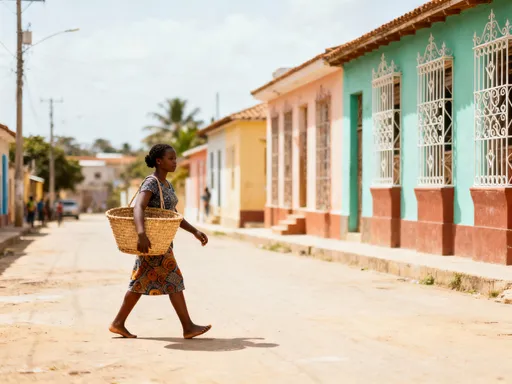
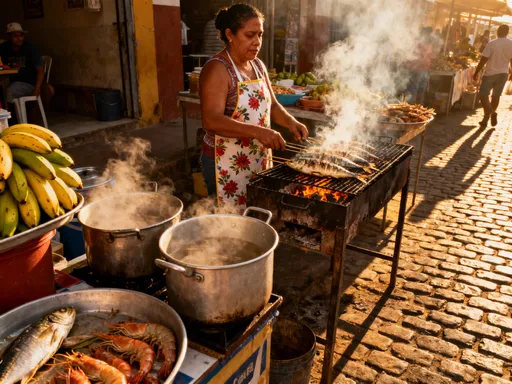
Stepping off the plane into Mombasa’s warm, humid embrace, you’re immediately greeted by a symphony of scents and sounds. The air is thick with the briny tang of the Indian Ocean, mingled with wood smoke, frying oil, and the sweet perfume of ripe mangoes. As you make your way through the city, roadside vendors appear at every corner, their small stalls glowing under the midday sun. Women in colorful kikois kneel beside steaming pots, flipping golden-brown sambusas — flaky, triangular pastries filled with spiced beef or lentils. Nearby, a man tends to a bubbling cauldron of viazi karai, chunks of plantain dipped in batter and deep-fried until crisp and caramelized at the edges. These aren’t just snacks — they’re the heartbeat of daily life, eaten by schoolchildren, office workers, and travelers alike.
What makes these first bites so powerful is their immediacy. They require no reservation, no menu, no pretense. You point, you pay a few shillings, and within seconds, you’re holding warmth in your hands. That first crunch of a sambusa, the way the spice hits your tongue — cardamom, turmeric, a whisper of chili — it’s an instant introduction to coastal Swahili culture. Food here is communal, accessible, and deeply rooted in tradition. It’s not something reserved for special occasions; it’s woven into the rhythm of the day, from early morning chai with mandazi to late-night kebabs by the waterfront.
Starting your journey through Mombasa with food isn’t just convenient — it’s essential. It opens doors that language sometimes cannot. A shared plate of grilled octopus at a beachside table invites conversation. A smile exchanged over a vendor’s recommendation builds connection. In a city where cultures have mingled for centuries — African, Arab, Indian, and European — food is the common language. It tells stories of trade routes, migration, and adaptation. And for the traveler, it offers a way to belong, even if just for a meal. By embracing local flavors from the start, you align yourself with the pulse of the place, setting the stage for a richer, more meaningful experience.
The Coastal Pantry: Where Nature Fuels the Plate
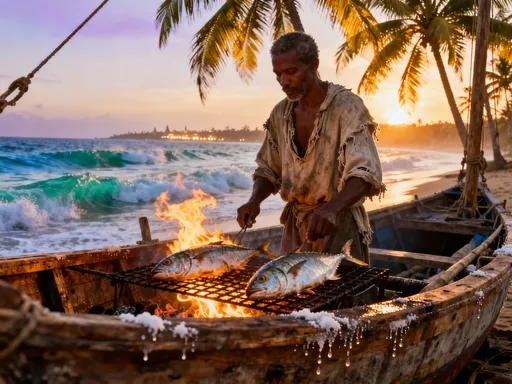
Mombasa’s cuisine doesn’t just reflect its environment — it’s born from it. The Indian Ocean is the region’s primary larder, delivering fresh fish, prawns, and octopus daily. Along the coast, small fishing dhows return at dawn, their nets heavy with kingfish, tuna, and red snapper. These aren’t farmed or frozen; they’re caught in local waters, often within sight of the shore. This immediacy translates directly to flavor. A fillet of kingfish grilled over charcoal retains a delicate sweetness, its texture firm yet tender, a testament to the pristine waters it came from.
But the ocean is only part of the story. The coastal ecosystem extends inland, where mangrove forests, fertile soil, and tropical climate support a rich variety of plant-based ingredients. Coconut is perhaps the most iconic. It’s used in nearly every form — milk, oil, grated flesh — and serves as the base for countless dishes. Mchuzi wa samaki, the region’s beloved spiced fish curry, relies on thick coconut milk to balance the heat of chili, ginger, and cloves. Cassava, another staple, is boiled, fried, or mashed, offering a starchy, earthy contrast to bold flavors. Green bananas, plantains, and sweet potatoes round out the carbohydrate profile, often served alongside stews or grilled as street food.
What’s remarkable is how little is imported. The local diet is inherently seasonal and hyper-local, shaped by what the land and sea provide. This isn’t a culinary trend — it’s necessity turned into art. Generations of coastal cooks have learned to work with what’s available, developing techniques that maximize flavor and nutrition. Fermented porridges, sun-dried fish, and preserved coconut chutneys are all part of a food culture designed for resilience. Even spices, though influenced by centuries of trade, are often grown in backyard gardens — curry leaf, cilantro, and chili peppers thriving in the humid air. The result is a cuisine that is both deeply traditional and astonishingly fresh, where every dish carries the imprint of its natural origins.
Diani’s Hidden Beach Eats: Food with a View
A short drive south of Mombasa lies Diani Beach, a stretch of powdery white sand fringed by swaying palms and turquoise water. It’s a postcard-perfect landscape, but what makes it truly special is how seamlessly food is woven into the experience. Along the shoreline, small, family-run shacks serve up some of the most authentic coastal flavors, often prepared just meters from where you sit. These aren’t fancy restaurants — they’re open-air kitchens with plastic tables, bare feet in the sand, and the constant whisper of waves.
One of the most unforgettable meals you can have here is a simple grilled lobster, split down the middle and basted with garlic, lemon, and coconut oil. It arrives sizzling on a banana leaf, the meat tender and sweet, infused with the smoky aroma of the grill. Pair it with chapo, a soft, slightly sweet coconut bread that’s baked in clay ovens, and you have a meal that feels both indulgent and elemental. There’s no menu to study, no long wait — just food made with care, served with a smile, and eaten with your hands.
The magic of dining at Diani isn’t just in the food — it’s in the setting. As the sun begins to dip below the horizon, the sky turns gold, then pink, then deep violet. The sea glows, the air cools, and the rhythm of the day slows. This is the perfect time to eat, when the heat of the day fades and the atmosphere becomes almost dreamlike. Locals and visitors alike gather along the shore, children playing in the shallows, couples strolling barefoot. The shacks light their lanterns, and the scent of grilled fish and spices drifts on the breeze. In this moment, food becomes part of the landscape — not separate from nature, but an extension of it.
What’s important to note is that these beachside eateries are not tourist traps. They’re run by families who have lived in the area for generations, using recipes passed down from their mothers and grandmothers. They source their seafood from local fishers, their coconuts from nearby groves, and their spices from the market. By choosing to eat here, you’re not just enjoying a meal — you’re supporting a way of life. And in doing so, you become part of a tradition that values simplicity, freshness, and connection.
Forodhani Gardens by Night: Urban Bites Meets Ocean Breeze
As the sun sets over Mombasa Island, a different kind of feast begins in Forodhani Gardens, a waterfront park in the heart of the old town. By day, it’s a quiet green space with trees and benches. But by night, it transforms into a bustling open-air market, alive with the sizzle of grills, the clink of glasses, and the laughter of families and friends. This is where urban energy meets coastal flavor, and the result is nothing short of electric.
Vendors line the promenade, each with their own specialty. Some tend to large iron griddles, flipping skewers of mishkaki — cubes of beef marinated in tangy tamarind, yogurt, and spices before being charred over hot coals. Others stir massive pots of ugali or ladle out bowls of spicy pilau rice. Juice stalls offer fresh tamarind, passion fruit, and sugarcane drinks, their vibrant colors glowing under string lights. The air is thick with aroma — smoky, sweet, spicy — and every direction you turn, there’s something delicious to try.
What makes Forodhani special is its location. Situated right on the water, the market benefits from a constant sea breeze that cuts through the heat and carries the scent of salt and grilling meat. You can sit on stone benches or plastic chairs, your feet near the edge of the harbor, watching dhows glide past as you eat. The ocean isn’t just a backdrop — it’s part of the experience. That breeze enhances every bite, making even a simple samosa feel more vibrant, more alive.
For visitors, Forodhani offers a safe, accessible way to explore local cuisine. Portions are small, prices are low, and the variety is staggering. You can sample five different dishes in one evening, moving from one stall to the next. But it’s worth noting that some dishes can be quite spicy. If you’re not used to heat, start mild — ask for “less chili” or try a milder option like grilled corn or coconut bread. And always drink plenty of water or fresh juice. The market is also a great place to observe daily life, to see how Mombasans socialize, eat, and unwind. It’s not a performance for tourists; it’s real, vibrant, and deeply rooted in community.
Jozani Forest Flavors: Beyond the Tourist Trail
While Jozani Forest itself is located on Zanzibar, its ecological spirit has echoes along the Kenyan coast, where pockets of coastal woodland and scrub forest remain vital to local life. Around Mombasa, areas like the Shimba Hills and smaller mangrove reserves serve similar roles — as sanctuaries for biodiversity and as sources of traditional ingredients. These forests are not just scenic; they’re functional, providing herbs, wild greens, honey, and medicinal plants that still find their way into home kitchens.
In rural villages near these woodlands, you’ll find cooks using leaves like mchicha (African nightshade) in stews, or adding wild mint and lemon grass to teas. Beekeepers harvest honey from trees where hives are placed high in the branches, producing a rich, floral variety that’s prized for both flavor and health benefits. Some eco-lodges and community-run eateries near these areas have begun incorporating these ingredients into their menus, not as novelty, but as a way to honor tradition and support conservation.
One such initiative is a small cooking project near the Shimba Hills, where women prepare meals using forest-foraged greens, wild tubers, and organic rice grown in nearby fields. Dishes like mchuzi wa mboga — a vegetable stew simmered in coconut milk and spices — showcase how simple, natural ingredients can create deeply satisfying food. These meals are often served in open-air settings, with views of the forest or savanna, reinforcing the connection between what’s on the plate and what’s beyond the table.
What’s inspiring about these efforts is their sustainability. By valuing forest ingredients, communities have a vested interest in protecting these ecosystems. When tourists choose to eat at such places, they’re not just enjoying a unique meal — they’re supporting conservation. It’s a quiet but powerful form of eco-tourism, where every bite helps preserve biodiversity. And for the traveler, it offers a chance to go beyond the usual sights, to taste something rare and authentic, and to leave with a deeper understanding of how food and nature are intertwined.
From Farm to Dhow: Traditional Methods Still Alive
In an age of industrial kitchens and fast food, Mombasa holds onto traditions that honor both flavor and sustainability. Across the coast, you’ll find cooking methods that have changed little over generations. In village homes, meals are still prepared on wood-fired stoves, the smoke imparting a subtle depth to stews and grilled fish. Banana leaves are used to wrap and steam food, keeping it moist while adding a faint, earthy aroma. Fish is often cooked in its own juices, with minimal oil, allowing the natural taste to shine.
Fishing practices are equally traditional. Instead of large trawlers, many coastal fishers use small dhows — wooden sailboats that have been used for centuries. These vessels are quiet, low-impact, and designed to work with the tides rather than against them. They use hand lines or small nets, minimizing bycatch and preserving marine life. When the fish come in, they’re sold fresh at local markets, often within hours of being caught. There’s no cold chain, no long storage — just direct from sea to table.
Visiting one of these morning markets is a revelation. The fish are laid out on banana leaves, glistening under the sun, their eyes still bright. Vendors call out their catches — “Fresh kingfish!” “Octopus today!” — while women weave through the stalls with woven baskets, selecting what they need for the day’s meals. It’s a system built on trust, freshness, and seasonality. You won’t find salmon or tilapia year-round; instead, the menu changes with what’s available. In this way, the market becomes a living calendar, reflecting the rhythms of the ocean.
These traditions aren’t just about nostalgia — they’re about balance. By relying on local methods, communities maintain a sustainable relationship with their environment. There’s little waste, low carbon footprint, and high nutritional value. For travelers, embracing these practices — choosing grilled fish over fried, eating at family-run shacks, buying from local markets — is a way to travel with respect. It’s a reminder that progress doesn’t always mean modernization; sometimes, the oldest ways are the wisest.
Why This Matters: Eating as a Way to Protect Mombasa’s Wonders
When you travel, every choice you make has an impact — where you stay, how you move, and what you eat. In Mombasa, choosing local, seasonal, and traditionally prepared food isn’t just a culinary preference; it’s an act of preservation. Every meal enjoyed at a family-run beach shack, every fish bought from a dhow fisher, every spice purchased from a market vendor supports a system that values sustainability, community, and cultural continuity.
Mass tourism often brings homogenization — chain restaurants, imported ingredients, standardized menus. But in Mombasa, there’s a growing movement to resist that. Local chefs, home cooks, and eco-entrepreneurs are showing that authentic flavors can be both delicious and responsible. They’re proving that you don’t need fancy equipment or foreign recipes to create something extraordinary. All you need is fresh ingredients, time-honored techniques, and respect for the land and sea.
As a traveler, you have the power to support this vision. By seeking out local food experiences, you help sustain livelihoods that might otherwise disappear. You encourage the protection of mangroves, forests, and coral reefs — not through donations or lectures, but through the simple act of eating. And in return, you gain something priceless: a deeper connection to the place you’re visiting. You taste the salt of the ocean, the sweetness of the coconut, the warmth of the fire. You feel the breeze, hear the waves, and see the faces of the people who make it all possible.
In the end, Mombasa’s true magic isn’t just in its beaches or its history — it’s in its flavors. Each bite tells a story of resilience, adaptation, and harmony. It invites you to slow down, to savor, to be present. So when you visit, don’t just look at the beauty — taste it. Let the food guide you, teach you, connect you. Because in Mombasa, to eat is to understand, to honor, and to belong.