You Won’t Believe How Alive Windhoek’s Districts Feel Until You Walk Them
Windhoek isn’t just Namibia’s capital—it’s a city of contrasts, where modern life pulses through distinct neighborhoods, each with its own rhythm. I wandered its districts, from leafy suburbs to vibrant streets, and discovered a side of Africa that’s authentic, dynamic, and surprisingly intimate. This is urban Africa redefined, not seen from a tour bus, but felt on foot, one conversation at a time. The city reveals itself slowly: in the clatter of market stalls at dawn, the murmur of Afrikaans and Oshiwambo on street corners, the scent of grilled meat drifting from a roadside braai. To walk Windhoek is to witness resilience, creativity, and quiet pride in motion—a narrative written not in guidebooks, but in the daily lives of its people.
The Heartbeat of Hochland Park
Hochland Park offers a gentle introduction to Windhoek’s urban rhythm, a neighborhood where history and harmony coexist beneath a canopy of jacaranda and camel thorn trees. Known for its wide, tree-lined avenues and well-preserved colonial-era homes, this residential district reflects the enduring influence of German architecture—low-slung buildings with red-tiled roofs, arched windows, and manicured lawns. Yet, far from feeling like a museum exhibit, Hochland Park breathes with contemporary life. Residents stroll with dogs in the early mornings, children cycle to school, and neighbors exchange greetings in a blend of Afrikaans, English, and indigenous languages. It is a place where past and present are not at odds but woven into the fabric of everyday living.
What makes Hochland Park particularly inviting is its understated sense of community. Local cafes such as The Coffee Shoppe and Hochland Bakery serve as quiet gathering spots, where professionals sip lattes and retirees share stories over buttery croissants. On weekends, the Hochland Park Market transforms a school parking lot into a lively hub of local commerce—artisans sell handmade jewelry, farmers offer fresh produce, and food vendors serve everything from venison sausages to millet muffins. These gatherings are not staged for tourists but rooted in the neighborhood’s social calendar, offering an authentic glimpse into middle-class Namibian life. For visitors, beginning a journey here sets a tone of respect and connection, allowing immersion without intrusion.
The district’s accessibility and calm atmosphere make it ideal for first-time explorers. Pedestrian-friendly sidewalks and low traffic encourage walking, while public transport links provide easy access to other parts of the city. Hochland Park does not dazzle with spectacle, but it disarms with sincerity. It reminds visitors that urban Africa is not only found in bustling townships or historic centers, but also in the quiet dignity of tree-shaded streets where life unfolds at a human pace. This is where Windhoek’s gentler pulse can first be felt, a prelude to the more complex rhythms that lie ahead.
Katutura: Rhythm, Resilience, and Real Life
Katutura stands as one of Windhoek’s most powerful stories in motion. Originally established during the apartheid era as a segregated township for Black Namibians, the name itself—derived from the Herero language—translates loosely to “the place where we do not want to live.” Yet today, Katutura is a vibrant testament to resilience, creativity, and cultural pride. Far from being defined by its painful past, the neighborhood pulses with energy—its streets alive with music, color, and the aroma of home-cooked meals. Walking through Katutura is not an exercise in voyeurism, but an invitation to witness urban life in its most unfiltered form, shaped by generations of strength and self-determination.
One of the most rewarding ways to experience Katutura is through guided walking tours led by local residents. These tours, offered by community-based organizations such as Katutura Community Guide Association, are designed with dignity and respect at their core. Visitors are welcomed into homes, introduced to local artisans, and invited to taste traditional dishes like potjiekos—a slow-cooked stew prepared in a cast-iron pot over an open fire. These culinary experiences are more than meals; they are conversations, opportunities to learn about family histories, cultural traditions, and the evolving identity of Namibia’s urban Black communities. Unlike exploitative forms of tourism, these initiatives are locally owned and directly benefit residents, ensuring that tourism becomes a tool for empowerment rather than observation.
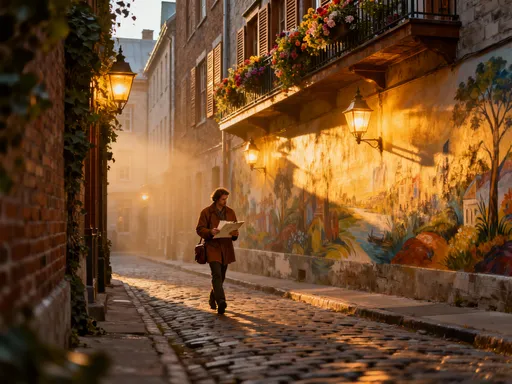
Art and music are inseparable from daily life in Katutura. Murals adorn corrugated metal walls, depicting heroes of Namibia’s independence struggle and celebrating cultural heritage. On weekends, impromptu performances spill into the streets—gospel choirs sing in church halls, jazz bands play in community centers, and youth dance crews practice in open courtyards. The neighborhood is also home to the NaDEET Urban Environmental Education Centre, which promotes sustainability through recycling workshops and solar cooking demonstrations. These programs reflect a broader shift: Katutura is not waiting to be developed from the outside, but is actively shaping its own future from within. To walk its alleys is to see a community that has turned marginalization into momentum, transforming hardship into art, food, and innovation.
Windhoek Central: Where Commerce Meets Culture
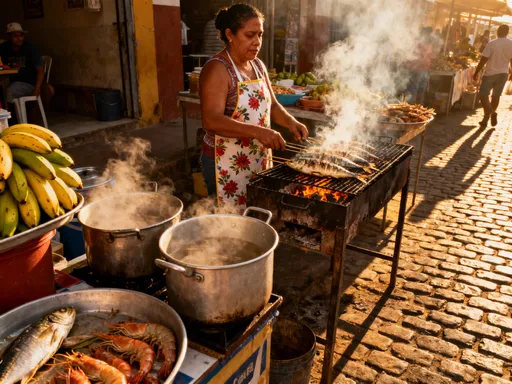
At the geographic and symbolic heart of the city lies Windhoek Central, a district defined by movement, exchange, and the steady hum of urban life. This is where the city’s administrative, commercial, and social threads converge. Independence Avenue, the main thoroughfare, carries a constant flow of pedestrians, minibus taxis, and delivery vans. The historic Post Office building, with its German Renaissance Revival architecture, stands as a quiet sentinel to the past, while just a block away, the Open Market buzzes with activity from early morning until dusk. Here, vendors in colorful aprons sell everything from dried fish and fresh herbs to handwoven baskets and secondhand clothing. The air is thick with the scent of roasting corn, spices, and motor oil—a sensory mosaic that captures the essence of Namibian city life.
Navigating Windhoek Central requires both curiosity and practical awareness. The Open Market, one of the city’s oldest trading hubs, is best visited in the morning when produce is freshest and crowds are manageable. Travelers should keep belongings secure, maintain polite but confident body language, and engage vendors with a smile and a simple greeting such as “Hallo” or “Good morning.” Bargaining is common but should be done respectfully—prices are already low, and many vendors rely on these sales for their livelihoods. For a quick bite, look for stalls serving kapana, grilled beef strips seasoned with spicy paprika, often eaten straight from the paper cone with fingers. It’s not fine dining, but it’s real, immediate, and deeply satisfying.
Beyond the market, the district offers glimpses of Windhoek’s layered history. The Christuskirche, a Lutheran church completed in 1910, rises modestly above the skyline with its distinctive green dome and sandstone walls. Though modest in size, it remains a national landmark and a place of quiet reflection amid the urban rush. Nearby, the Tintenpalast (Ink Palace), home to Namibia’s Parliament, features ornate gardens and a façade that blends German colonial design with African symbolism. These sites are not isolated monuments but part of the daily landscape—commuters pass them on their way to work, students sketch them during lunch breaks, and tourists pause to take photographs. Windhoek Central does not perform for visitors; it simply lives, and in doing so, it offers one of the most honest portraits of the city’s soul.
Glen Theresia and Klein Windhoek: Urban Comfort with a Local Touch
Just north of the city center, the neighborhoods of Glen Theresia and Klein Windhoek represent a different facet of urban Namibia—one that balances modern convenience with cultural continuity. These areas are characterized by well-planned streets, landscaped roundabouts, and a mix of single-family homes and low-rise apartment complexes. Shopping centers like Maerua Mall and Garden Way Plaza offer supermarkets, pharmacies, and clothing stores, catering to the needs of a growing middle class. Yet, despite their polished appearance, these suburbs are not enclaves of exclusivity. They are lived-in, dynamic spaces where Namibians raise families, run small businesses, and maintain strong community ties.
What distinguishes Glen Theresia and Klein Windhoek is their ability to blend African warmth with urban efficiency. Homes often feature front gardens with indigenous plants, and it’s common to see elders sitting outside in the late afternoon, greeting passersby. Weekends bring life to local sports fields, where youth football matches draw small but enthusiastic crowds. Community centers host everything from dance classes to voter education workshops, reinforcing the idea that development is not just physical but social. For travelers, these neighborhoods offer a rare opportunity to observe everyday Namibian life beyond the postcard images of deserts and wildlife. They reveal a society that values stability, education, and family—values that underpin the nation’s quiet progress.
Visitors can engage with these communities in meaningful ways. Coffee shops such as Mugg & Bean and Seattle Coffee Company serve as informal meeting points, where professionals work on laptops and friends catch up over cappuccinos. Some local churches, like the Roman Catholic Christ the King Cathedral, welcome visitors to Sunday services, which often include vibrant gospel music and multilingual sermons. While these areas may lack the raw energy of Katutura or the historical weight of the city center, they contribute an essential layer to Windhoek’s identity: the reality of ordinary life in a modern African capital. To walk through Glen Theresia or Klein Windhoek is to understand that progress in Namibia is not dramatic or rushed, but steady, grounded, and deeply human.
The Emerging Pulse of Pioneerspark and Suiderhof
On the southeastern edge of Windhoek, the districts of Pioneerspark and Suiderhof are quietly redefining what it means to be urban in contemporary Namibia. Once overlooked and underdeveloped, these areas are now at the forefront of grassroots transformation. New paved roads, upgraded street lighting, and community-run sanitation projects reflect a growing commitment to urban renewal. More importantly, a wave of local entrepreneurship is taking root—spaza shops have evolved into small grocery stores, informal hair salons now operate as licensed beauty parlors, and young people are launching digital services and delivery businesses. These changes are not the result of top-down gentrification, but of bottom-up determination, driven by residents who see possibility where others once saw neglect.
Walking through Pioneerspark and Suiderhof reveals a city in transition. Murals painted by youth groups promote messages of unity, education, and environmental care. Community centers offer after-school programs and vocational training, helping to break cycles of unemployment. On weekend afternoons, local markets spring up in open lots, selling everything from homemade jams to hand-sewn school uniforms. These spaces are not just economic hubs but social anchors, reinforcing neighborhood identity and mutual support. For visitors, these districts offer a rare glimpse into the future of Windhoek—a future being built not by foreign investors or government decrees, but by ordinary citizens investing in their own communities.
Yet, this transformation is not without challenges. Infrastructure improvements are still uneven, and access to water, electricity, and internet remains inconsistent in some pockets. However, the resilience of residents is evident in how they adapt—solar panels appear on rooftops, rainwater harvesting systems are becoming more common, and mobile banking is widely used even in areas without formal banks. These innovations reflect a broader trend across urban Namibia: a culture of resourcefulness that turns constraints into opportunities. For travelers willing to step beyond the well-trodden path, Pioneerspark and Suiderhof offer some of the most authentic and inspiring encounters in the city. They remind us that urban Africa is not static, but constantly evolving, shaped by the dreams and labor of those who call it home.
Design, Art, and Identity in Windhoek’s Public Spaces
Across Windhoek, public art and architecture serve as silent storytellers, chronicling the nation’s journey from colonial rule to independence and beyond. Unlike cities where history is confined to museums, Windhoek wears its narrative on its walls, streets, and plazas. Murals in Katutura depict the legacy of leaders like Hosea Kutako and Sam Nujoma, while sculptures in central roundabouts honor the sacrifices of the liberation struggle. The Independence Memorial Museum, a striking modern structure near the city center, uses bold lines and symbolic materials to represent Namibia’s emergence as a sovereign nation. These spaces are not merely decorative; they are educational, emotional, and deeply intentional.
Art in Windhoek is also a form of dialogue. The annual Windhoek Street Art Festival brings together local and international artists to transform blank walls into vibrant canvases that address themes like gender equality, climate change, and cultural unity. In Glen Theresia, a series of ceramic tiles installed along a pedestrian walkway illustrates scenes from Namibian folklore, inviting residents and visitors alike to pause and reflect. Galleries such as the National Art Gallery of Namibia and the Art Lounge in Maerua Mall showcase contemporary works by Namibian painters, sculptors, and photographers, offering a platform for creative expression that is both personal and political. These institutions play a crucial role in shaping national identity, especially for younger generations navigating a globalized world.
What makes Windhoek’s artistic landscape particularly powerful is its accessibility. Unlike elite art scenes that cater to a privileged few, much of the city’s creative output is public and participatory. Children climb on bronze statues, elders sit beneath painted archways, and tourists take photographs without barriers or fees. This democratization of art ensures that culture is not locked behind glass but lived and experienced. For the attentive traveler, every mural, every monument, every repurposed colonial building tells a piece of the story—of struggle, of survival, of self-definition. To walk through Windhoek is to read this open-air archive, one block at a time.
How to Move Like a Local: Transport, Timing, and Etiquette
Navigating Windhoek’s districts requires a blend of practical knowledge and cultural sensitivity. The city’s transport system is dominated by minibus taxis—colorful, privately operated vans that follow flexible routes and are the primary mode of transit for most residents. They are affordable and efficient, but can be confusing for newcomers. To use them, simply stand at a busy intersection, signal to the driver, and state your destination. Fares are paid in cash, and while routes are not always clearly marked, drivers and passengers are usually willing to help. For greater comfort and ease, ride-hailing apps like Uber and Yego are available and operate reliably in central and suburban areas. Walking is feasible in many neighborhoods, especially during daylight hours, but it’s important to stay aware of surroundings and avoid poorly lit or isolated streets at night.
Timing is key to experiencing Windhoek at its best. Markets are liveliest in the morning, typically between 7:00 and 11:00 a.m., when vendors have just set up and produce is fresh. Afternoons are quieter, ideal for visiting museums, galleries, or taking guided walks in Katutura. Evenings bring a different rhythm—restaurants in Klein Windhoek and Windhoek West come alive, and outdoor braais (barbecues) are common in residential areas. Sundays are generally more subdued, with many shops closed and families attending church or spending time together. Planning your day around these rhythms allows for a more authentic and respectful experience.
Etiquette matters. Namibians value politeness and personal dignity. A simple greeting—“Good morning,” “How are you?”—goes a long way. When taking photographs, always ask permission, especially in residential areas or when photographing people. Dress modestly, particularly when visiting churches or community events. Tipping is appreciated but not mandatory; rounding up the bill at a café or leaving a small amount for tour guides is considered courteous. Above all, approach the city with humility and curiosity. Windhoek does not perform for tourists; it simply lives. The deeper you listen, the more it reveals.
Windhoek’s true essence isn’t in monuments, but in its neighborhoods—the laughter in a township kitchen, the stillness of a suburban dawn, the hum of a marketplace. To walk its districts is to understand urban Africa not as a destination, but as a living, breathing experience. The city doesn’t shout; it speaks softly, to those who listen.