You Won’t Believe What I Found in Tampere’s Hidden Shopping Zones
Tampere, Finland, isn’t just lakes and saunas—its shopping scene is a whole vibe. I went looking for souvenirs and walked out with stories. From industrial-chic boutiques to cozy local markets, the city’s themed shopping areas blend culture, design, and surprise. Whether you’re into handmade crafts or cutting-edge Finnish fashion, Tampere delivers. Let me take you through the spots that turned my casual stroll into a retail adventure.
The Pulse of Tampere: Why Shopping Here Feels Different
Tampere’s shopping experience stands apart not because of luxury brands or oversized malls, but because of its soul. This city, once known as the 'Manchester of Finland' for its booming 19th-century textile industry, has transformed its industrial past into a creative present. The legacy of hard work, craftsmanship, and community resilience echoes through its modern retail spaces. What you’ll notice immediately is how shopping here doesn’t feel transactional—it feels like participation in a living cultural narrative. The city’s evolution from factory town to cultural hub has given rise to a unique shopping identity, one where every store tells a story of reinvention.
This transformation is visible in the architecture, the products, and the people behind the counters. Where cotton mills once hummed with machinery, you now find concept stores, artist studios, and sustainable boutiques. The shift wasn’t overnight; it was shaped by decades of urban renewal, community investment, and a deep respect for Finnish design principles. The result is a shopping culture that values authenticity over mass production, local over imported, and experience over convenience. It’s not unusual to find a shopkeeper who designed the woolen scarf you’re holding—often with pride, they’ll explain the source of the yarn, the dyeing process, or the inspiration behind the pattern.
What truly sets Tampere apart is the seamless blend of Nordic minimalism and expressive local artistry. You’ll see clean lines and neutral palettes, yes, but also bold colors, unexpected textures, and one-of-a-kind pieces that reflect the individuality of their makers. This duality—order and creativity, function and beauty—is at the heart of Finnish design, and Tampere embraces it fully. Whether browsing a sleek downtown boutique or a tucked-away craft stall, you’re engaging with a tradition that honors both form and function. For travelers, especially those who appreciate thoughtful design and meaningful purchases, this makes Tampere not just a shopping destination, but a destination for connection.
Market Square & Koskipuisto: Where Locals Shop and Hang
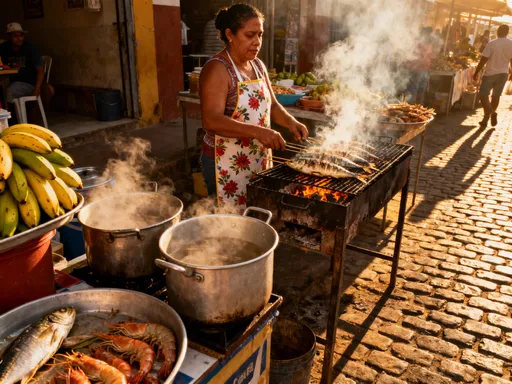
If you want to feel the rhythm of daily life in Tampere, start at the Market Square, or Kauppatori, by the edge of Lake Näsijärvi. This vibrant hub, especially lively during the summer months, is where residents come to shop, socialize, and savor the season. The centerpiece is the Tampere Market Hall, a beautifully restored brick building that opened in 1901 and continues to serve as a culinary and cultural anchor. Inside, the air is rich with the scent of fresh bread, smoked fish, and ripe berries. Wooden stalls display an abundance of regional specialties—crisp rye crackers, creamy reindeer cheese, jars of wild lingonberry jam, and delicate smoked salmon sliced to order.
Outside, the seasonal market stretches along Koskipuisto Park, where colorful canopies shelter vendors selling handmade soaps, linen goods, and locally roasted coffee. Unlike tourist-focused bazaars, this market feels genuine—many visitors are locals stocking up for weekend gatherings or picking up last-minute gifts. Children run between stalls, dogs sit patiently by their owners’ feet, and elderly couples pause to sample honey from a small apiary in the nearby countryside. The authenticity is palpable, and it’s precisely what makes shopping here so rewarding. You’re not just buying a product; you’re connecting with the region’s flavors and traditions.
One of the most delightful finds is the selection of handmade chocolates and pastries. A small family-run stand, known for its cardamom buns and cloudberry tarts, draws long lines by mid-morning. The owner, a third-generation baker, uses her grandmother’s recipes and sources ingredients from nearby farms. Her commitment to quality and tradition resonates with customers, many of whom return week after week. For visitors, this is a chance to taste Finland as it’s truly enjoyed at home—not as a curated tourist experience, but as part of everyday life. To make the most of your visit, arrive early on a Saturday morning, when the market is at its peak and the best items haven’t sold out.
Another reason the Market Square stands out is its accessibility and welcoming atmosphere. Strollers roll easily over the paved paths, benches are plentiful, and many vendors accept card payments, making it convenient for families and older travelers. There’s also a strong emphasis on sustainability—vendors use minimal packaging, and reusable bags are the norm. This eco-conscious approach reflects a broader cultural value in Finland, where respect for nature and responsible consumption are deeply ingrained. For the mindful shopper, this adds another layer of satisfaction: knowing that your purchases support ethical practices and local livelihoods.
Pispala’s Crafted Soul: Shopping with a Story
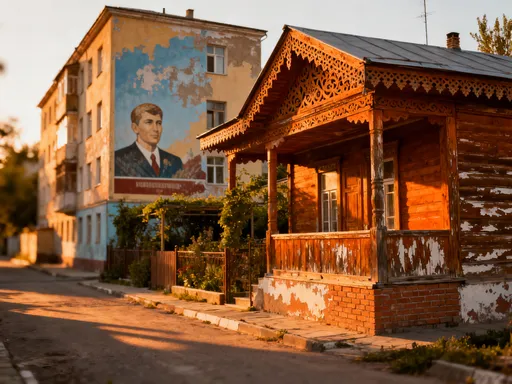
Nestled on the western ridge of Lake Pyhäjärvi, Pispala is one of Finland’s most distinctive neighborhoods—and one of its most inspiring shopping destinations. As the country’s largest wooden housing area, this historic district was once home to factory workers and their families. Today, it’s a haven for artists, craftspeople, and independent designers who have transformed old cottages and converted garages into intimate galleries and workshops. Walking through Pispala feels like stepping into a living museum of Finnish creativity, where every storefront offers not just products, but personal narratives.
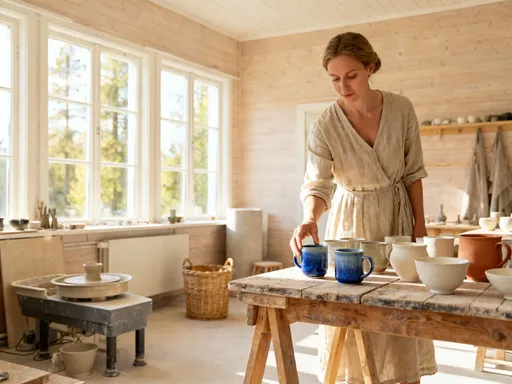
The charm of shopping in Pispala lies in its intimacy and authenticity. You won’t find chain stores or mass-produced souvenirs here. Instead, small boutiques showcase hand-thrown ceramics, handwoven textiles, and handcrafted jewelry made from recycled silver and Finnish gemstones. One studio specializes in linen clothing dyed with natural pigments from local plants—birch leaves, juniper berries, and alder bark—resulting in soft, earthy tones that change subtly with each batch. Another shop, run by a mother-daughter duo, sells embroidered tea towels and napkins featuring traditional Finnish motifs, each stitch done by hand.
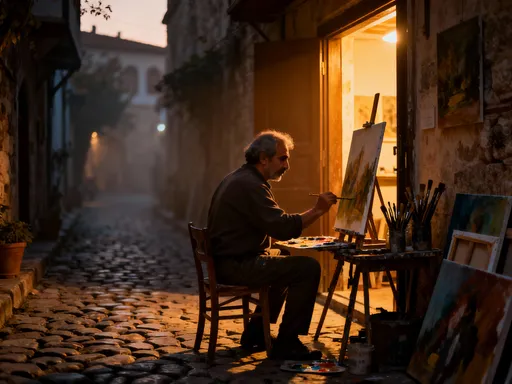
What makes these purchases meaningful is the direct connection to the maker. In many shops, you can watch artisans at work—potter’s wheels spinning, looms clacking, or jewelers soldering delicate pieces. Conversations flow easily, and many artists are happy to share the inspiration behind their work, whether it’s a childhood memory, a seasonal change, or a reverence for Finnish folklore. This level of engagement transforms shopping from a passive act into an enriching experience. For women in their 30s to 50s—many of whom value craftsmanship, sustainability, and emotional resonance in what they bring into their homes—Pispala offers something rare and deeply satisfying.
Supporting these small businesses also means contributing to a sustainable creative economy. Most materials are sourced locally, production is low-impact, and packaging is minimal or reusable. Many artists participate in cooperative networks that share resources and promote fair wages. By choosing to buy here, travelers help preserve not only traditional skills but also the cultural identity of the neighborhood. It’s shopping with purpose—a quiet act of solidarity with local communities and a rejection of disposable consumerism. For those seeking souvenirs that carry meaning, Pispala delivers in every sense.
Hämeenkatu: The Beating Heart of Urban Retail
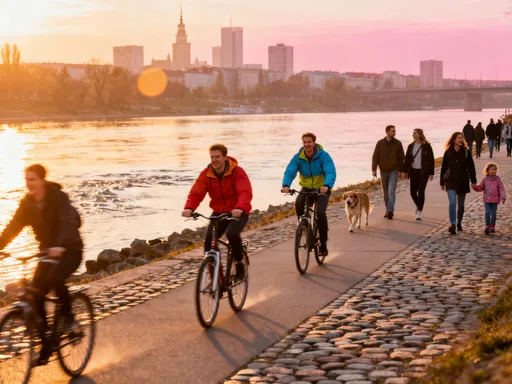
No visit to Tampere is complete without a stroll down Hämeenkatu, the city’s main shopping street and a perfect blend of accessibility and variety. Lined with trees and pedestrian-friendly pathways, this bustling avenue stretches from the railway station to the Market Square, connecting key districts while offering an inviting atmosphere for leisurely browsing. Unlike the sterile corridors of shopping malls, Hämeenkatu feels alive—filled with the chatter of passersby, the chime of bicycle bells, and the occasional street musician adding a melodic backdrop to the day.
What makes Hämeenkatu special is its thoughtful mix of retail options. International chains like H&M and Zara are present, but they share space with independent boutiques, bookstores, and specialty shops that celebrate Finnish design. You’ll find flagship stores for iconic brands like Marimekko, known for its bold floral prints, and Iittala, famous for its timeless glassware. These aren’t just retail outlets—they’re mini-exhibitions of Finnish aesthetics, where form, function, and beauty coexist. A Marimekko scarf isn’t just an accessory; it’s a piece of art. An Iittala vase isn’t just decor; it’s a legacy of craftsmanship.
Yet beyond the well-known names, Hämeenkatu rewards those who look a little closer. Tucked between larger stores are smaller boutiques featuring emerging Finnish designers—women-led brands creating sustainable clothing from organic cotton, linen, and recycled fibers. One shop specializes in minimalist home goods: wooden cutting boards, ceramic mugs, and linen dishcloths in calming, nature-inspired colors. Another offers eco-friendly skincare products made with Arctic botanicals like cloudberry and birch sap, packaged in glass and paper with no plastic in sight. These stores reflect a growing awareness of conscious consumption, a value that resonates strongly with many female shoppers who prioritize wellness and environmental responsibility.
To make the most of your time on Hämeenkatu, consider visiting in the late morning or early afternoon on a weekday, when the foot traffic is manageable and shopkeepers have more time to engage. Weekends can be crowded, especially during seasonal sales or holiday periods. Don’t rush—allow yourself to wander, pause, and step into places that catch your eye. Some of the best finds are in unassuming storefronts with handwritten signs or window displays that change weekly. And remember, many stores offer gift wrapping with care, making it easy to send a special item home or present it beautifully to a loved one.
Revolutionized Spaces: From Mills to Malls
Tampere’s industrial heritage isn’t hidden—it’s celebrated, especially in its shopping and cultural spaces. One of the most striking examples is the transformation of old textile mills into vibrant retail and entertainment complexes. The most famous of these is the Näsinneula Shopping Center, located within the Särkänniemi Amusement Park. While the park itself draws families with its rides and attractions, the shopping area offers a quieter, more refined experience. Housed in a modern glass structure with panoramic views of the city and lakes, the center features a curated selection of Finnish brands, from design-led home goods to specialty food shops.
What makes this space remarkable is the contrast between old and new. While the architecture is contemporary, it stands in dialogue with the surrounding industrial landscape. Nearby, you can still see remnants of red-brick factories, some of which have been converted into artist studios, cafes, and small museums. This blending of eras creates a layered experience—shopping here feels both modern and rooted in history. The stores themselves often reflect this duality, offering sleek, minimalist designs while using materials and techniques passed down through generations.
One standout shop specializes in repurposed textiles, turning old workwear and factory linens into stylish tote bags, aprons, and cushions. Each piece is labeled with its origin story—where the fabric came from, how it was cleaned and re-dyed, and who crafted it. This transparency adds depth to the purchase, making it more than just a product. It’s a conversation starter, a piece of history, a tribute to the city’s past. Other stores focus on Finnish innovation, offering smart home gadgets, eco-friendly lighting, and sustainable furniture—all designed with the same attention to detail that defines Finnish engineering.
These repurposed industrial spaces also serve as cultural hubs, hosting seasonal markets, craft fairs, and pop-up events. During the holidays, for instance, the Näsinneula area transforms into a winter wonderland, with wooden stalls selling handmade ornaments, mulled wine, and warm knitwear. These events draw both locals and tourists, creating a festive atmosphere that enhances the shopping experience. For families, it’s a chance to enjoy retail therapy in a setting that’s both scenic and meaningful. The combination of history, design, and community makes these spaces not just places to shop, but places to remember.
Design Districts: When Shopping Becomes Cultural Exploration
In Tampere, shopping isn’t just about acquiring things—it’s about discovering a way of life. This is especially true in the city’s themed design districts, where urban planning and aesthetic vision come together to create immersive experiences. One of the most notable is the Red Brick District, a collection of restored industrial buildings unified by their architecture and creative energy. Here, shopping is woven into a larger narrative of design, craftsmanship, and sustainability. The streets are wide enough for strollers, the sidewalks are lined with trees, and every building seems to house something intriguing—a design studio, a coffee roastery, a ceramics workshop.
What makes these districts special is their cohesion. Unlike scattered shopping streets, these zones are intentionally designed to encourage exploration on foot. Signage is clear, rest areas are plentiful, and many shops offer seating or small cafes where you can pause with a cup of coffee and reflect on what you’ve seen. This thoughtful layout reduces tourist fatigue and makes the experience more enjoyable, especially for women who may be traveling with children or older relatives. You’re not rushing from store to store; you’re taking a journey through a curated landscape of creativity.
The shops themselves reflect a deep commitment to quality and authenticity. You’ll find boutiques specializing in Finnish home textiles, where every blanket and cushion cover is made from natural fibers and dyed with plant-based pigments. Others focus on sustainable fashion, offering clothing lines that are seasonless, durable, and ethically produced. Many designers emphasize versatility—pieces that can be worn or used in multiple ways, reflecting a practical yet elegant Finnish mindset. For shoppers who value longevity over trends, this is refreshing and empowering.
Equally important are the cafes and gathering spaces that anchor these districts. A popular spot, housed in a converted warehouse, serves light lunches on vintage porcelain and brews coffee from beans roasted in-house. The interior features exposed brick, reclaimed wood tables, and large windows that flood the space with natural light. Sitting here, surrounded by design-savvy locals and curious visitors, you begin to understand the Finnish concept of 'sisu'—quiet determination, resilience, and inner strength—not through words, but through atmosphere. Shopping, in this context, becomes a form of cultural immersion, a way to absorb values through experience rather than explanation.
Beyond the Purchase: How Themed Areas Enhance the Travel Experience
The true magic of Tampere’s shopping culture lies not in what you buy, but in how it makes you feel. Themed shopping areas do more than organize retail—they create a sense of place, purpose, and connection. In a world where travel can sometimes feel rushed or superficial, these zones offer a slower, more meaningful way to engage with a destination. They invite you to wander, to observe, to interact. You’re not just a consumer; you’re a participant in a living community.
Compared to other Nordic cities, Tampere stands out for its subtlety. It doesn’t shout its charm—it reveals it gradually, like peeling back layers of a well-worn book. There are no flashy billboards or aggressive sales tactics. Instead, there’s a quiet confidence in the quality of what’s offered. This understated elegance appeals to travelers who seek authenticity over spectacle, depth over distraction. For women who value emotional resonance and thoughtful experiences, this approach is deeply satisfying.
These themed areas also help travelers move beyond stereotypes of Finland. Instead of just saunas and silence, you encounter creativity, warmth, and community. You learn about the country’s industrial past, its design legacy, and its commitment to sustainability. You meet people who are passionate about their work and proud of their heritage. And you leave not with a bag full of trinkets, but with a deeper understanding of Finnish life—one that stays with you long after the trip ends.
For those planning a visit, the best approach is to treat shopping as part of a broader exploration. Combine a morning at the Market Hall with a walk through Pispala, then end the day with coffee in a design district cafe. Let the city unfold at its own pace. Allow yourself to be surprised by what you find—not just in the stores, but in the connections you make and the feelings you carry home.