You Won’t Believe This Secret Food Scene in Colón, Panama
If you think Colón, Panama is just a cruise stop or transit point, you’re missing half the story. Behind its unassuming streets lies a vibrant, flavor-packed local cuisine scene most tourists never discover. I went off the beaten path, talked to locals, and tasted dishes that blew my expectations away—this is authentic Caribbean-Pacific fusion at its finest, served with warmth and generations of tradition. From sizzling street grills to family kitchens simmering with slow-cooked stews, Colón offers a sensory journey rooted in history, community, and resilience. This is not a destination to pass through. It’s one to savor, slowly and with intention.
Reimagining Colón: Beyond the Transit Myth
For decades, Colón has been framed as a footnote in Panama’s travel narrative—a place to disembark from a cruise ship, catch a connecting train to Panama City, or pass through on the way to more celebrated destinations like Bocas del Toro or the San Blas Islands. Yet this narrow view overlooks a city rich in cultural depth and culinary vitality. Far from being a mere waypoint, Colón stands at the crossroads of maritime history, colonial trade, and Caribbean migration, making it one of the most dynamic food cities in Central America, despite its under-the-radar status.
The city’s strategic location on the Atlantic entrance to the Panama Canal has long made it a hub for movement—of goods, people, and ideas. In the 19th century, workers from Jamaica, Barbados, and other English-speaking Caribbean islands arrived to help build the railroad and later the canal. They brought with them culinary traditions rooted in tropical ingredients, bold spices, and slow-cooked techniques. Over time, these influences merged with Indigenous foodways and Latin American flavors introduced by mainland Panamanians, creating a cuisine that is as layered as the city’s history.
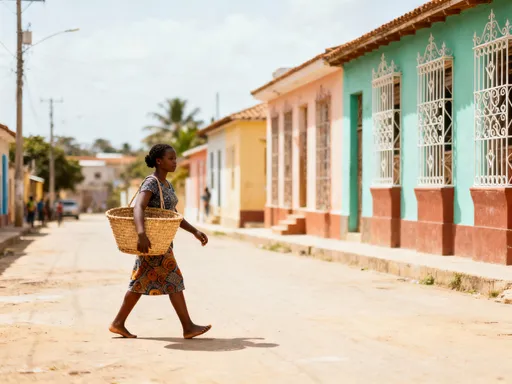
Today, Colón remains a cultural mosaic. Its population reflects African, Afro-Caribbean, mestizo, and Creole heritages, each contributing to a food culture that values generosity, flavor, and memory. While many visitors still see Colón through the lens of transit, a growing number of food-savvy travelers are beginning to recognize it as a destination in its own right—a place where meals are not just sustenance but storytelling, where every dish carries echoes of ancestral kitchens and shared Sunday tables.
The Heartbeat of Local Eats: Where Food Meets Community
In Colón, dining is rarely a solitary act. Meals unfold in the company of neighbors, cousins, and even strangers welcomed into the fold with a smile and an extra plate. The true heart of the city’s food scene beats in fondas—small, family-run eateries often marked by a handwritten sign and the aroma of frying plantains. These informal spots serve as community anchors, where news is exchanged, laughter echoes, and recipes are passed down with every shared pot of stew.
Unlike the polished restaurants catering to cruise passengers, fondas operate on trust, tradition, and taste. Many are run out of homes, with tables set up in courtyards or under tin roofs. Others occupy narrow storefronts where the kitchen is visible just steps from the entrance, allowing diners to watch as cooks stir large pots of rice and beans or press patacones on a hot griddle. There’s no menu to scan—just a daily special announced by voice or chalkboard, often based on what’s fresh at the market or what the cook’s grandmother used to make.
Food here is deeply woven into the rhythm of daily life. Sunday mornings often begin with extended family gatherings centered around a midday meal that might include baked chicken with coconut rice, fried ripe plantains, and a chilled fruit drink made from guava or tamarind. Market days bring out specialty vendors selling regional dishes like bollos—plantain dough stuffed with meat and wrapped in banana leaves—or empanadas filled with spiced fish. These moments are not just about eating; they are acts of preservation, celebration, and connection.
Must-Try Dishes: A Taste of Colón’s Soul
To understand Colón’s cuisine is to taste its history. Each dish reflects a blend of ingredients and techniques brought together by centuries of movement and adaptation. One of the most emblematic plates is rice and pigeon peas, a staple found in many Caribbean-influenced kitchens. In Colón, it’s cooked with coconut milk, giving it a creamy richness and subtle sweetness that sets it apart from versions elsewhere. Often served alongside shredded beef or stewed chicken, this dish is comfort food at its most authentic.
Another cornerstone of local cuisine is carne desmenuzada—a slow-cooked, shredded beef dish simmered with onions, bell peppers, tomatoes, and a touch of vinegar. The meat is tender enough to fall apart with a fork, infused with layers of flavor built through hours of gentle cooking. It’s typically served over white rice or tucked into a fresh roll for a hearty sandwich, making it a favorite for both lunch and late-night snacks.
No meal in Colón is complete without patacones—thick, flattened green plantains fried until golden and crispy, then split open and stuffed with fillings like shredded crab, salted cod, or shredded chicken. These savory pockets of flavor are widely available at street stalls and beachside grills, often served with a side of tangy tomato-onion salsa. Their texture—crunchy on the outside, soft within—mirrors the city itself: resilient on the surface, tender at the core.
Desserts in Colón are equally reflective of its cultural blend. Coconut-based sweets like cocadas—chewy, sweet cookies made from shredded coconut and sugar—are common, as are banana fritters and rice pudding flavored with cinnamon and nutmeg. These treats, often sold by elderly women at dawn markets or near church steps, are made in small batches, preserving methods unchanged for generations.
Hidden Markets and Street Bites: Hunting for Authentic Flavors
The most authentic flavors in Colón are not found in shopping malls or tourist plazas but in its bustling local markets and along dimly lit street corners where vendors set up after sunset. One of the best places to begin is the Colón Free Zone Market, where alongside textiles and electronics, food stalls offer steaming plates of local specialties. Here, you’ll find tamales wrapped in banana leaves, their soft masa filled with chicken, olives, and raisins—a dish with roots in both Indigenous and Afro-Caribbean traditions.
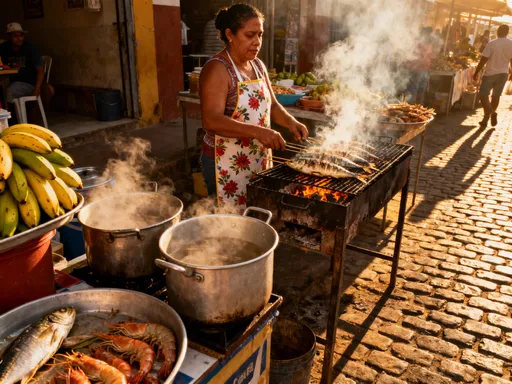
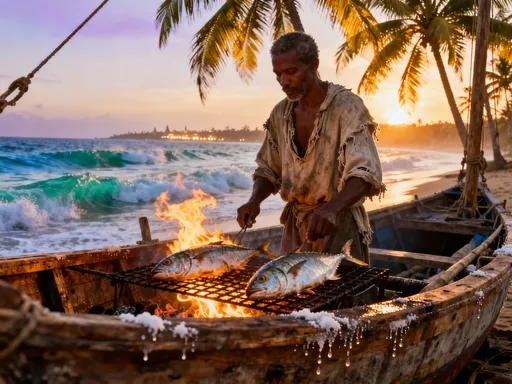
For a truly immersive experience, visit early in the morning when fishermen return with their catch and vendors begin grilling fresh snapper, shrimp, and lobster over open flames. The scent of smoke and sea salt fills the air, mingling with the sweetness of ripe mangoes and pineapple sold by the slice. Breakfast might be a simple but satisfying plate of fried fish, yuca, and a cup of strong black coffee sweetened with panela—a form of unrefined cane sugar that adds depth without overpowering.
Nighttime brings its own culinary rhythm. In certain neighborhoods, mobile grills appear after dark, offering skewers of marinated beef or chicken served with a side of fried cassava. These late-night bites are popular among locals finishing work or returning from church meetings. Some vendors have been operating in the same spot for decades, known by name and trusted for consistency. To eat here is to participate in an unwritten tradition—one that values loyalty, flavor, and the simple joy of sharing food under the stars.
For travelers seeking authenticity, the key is to follow the locals. If you see a crowd gathered around a small cart or a line forming outside a fonda, join it. These are not signs of commercial success but of community approval. And while guidebooks may not list these spots, they are precisely where Colón’s soul is served up daily, one plate at a time.
How Locals Eat: Timing, Etiquette, and Regional Twists
In Colón, the rhythm of eating follows a predictable yet deeply meaningful pattern. Breakfast, typically eaten between 7 and 9 a.m., is hearty and energizing—often consisting of fried eggs, pan de coco (a sweet coconut bread), and a side of fried plantains or yuca. Coffee is essential, usually strong and served black, though some prefer it with a splash of evaporated milk for creaminess.
Lunch is the main event, usually served between 12:30 and 2:30 p.m. Families often gather for this meal, especially on weekends, and it can last over an hour. The table is set with multiple dishes: a protein, a starch, a salad, and sometimes soup. It’s common to see several generations eating together, with elders serving as both hosts and storytellers, passing down family history between bites.
Snacking extends well into the evening. Between 5 and 8 p.m., it’s normal to see people enjoying small bites like empanadas, pastelitos, or a simple sandwich made with ham and cheese on soft white bread. These are not replacements for meals but supplements—fuel for long days and social glue for casual meetups.
Dining etiquette in Colón is relaxed but rooted in respect. It’s customary to greet the cook or vendor before ordering, and many locals bring their own reusable containers when taking food to go—a practical habit that also reflects environmental awareness. In some fondas, especially those operating out of homes, customers may be expected to bring their own plates or cutlery, a sign of the informal, community-based economy that thrives here.
There are also subtle regional differences between urban Colón and nearby coastal villages. In rural areas, seafood plays an even more central role, with dishes like sopa de guandú—a thick stew made with pigeon peas, crab, and smoked fish—appearing regularly on tables. Spices may be bolder, and cooking methods more traditional, relying on wood-fired stoves and clay pots that impart a distinct flavor.
From Kitchen to Table: Meeting the People Behind the Food
The true essence of Colón’s cuisine lies not just in the dishes but in the people who prepare them. Take Doña Marta, a 68-year-old vendor who has been selling sopa de guandú at the same corner market for over 30 years. She wakes at 4 a.m. to prepare her stew, following a recipe passed down from her mother, who learned it from her own grandmother in the coastal village of Portobelo. For Doña Marta, cooking is an act of love and continuity. “This soup feeds more than the body,” she says. “It feeds memory.”
Then there’s Carlos, a fisherman who, after returning from the sea, sets up a small grill on the beach near Fort Sherman. He seasons red snapper with garlic, lime, and a blend of local herbs, then cooks it over coconut husks, which give the fish a subtle smoky aroma. He doesn’t have a formal stand—just a few plastic chairs and a cooler for drinks—but his reputation draws both locals and curious visitors. “I cook the way my father taught me,” he explains. “Simple, honest food. That’s what people remember.”
These stories are not rare. Across Colón, home cooks, street vendors, and fonda owners pour generations of knowledge into every meal. Many use ingredients sourced from family plots or local fishermen, maintaining a direct link between land, sea, and plate. Their kitchens are often modest, but their impact is profound. They preserve traditions that might otherwise fade, ensuring that dishes like tamal de olla, rondón (a Creole seafood stew), and dulce de papaya remain part of the city’s living culture.
What unites them is pride—not in fame or profit, but in craft and community. They see themselves not as restaurateurs but as caretakers of a culinary heritage shaped by resilience, migration, and adaptation. To eat their food is to honor that legacy, one bite at a time.
Planning Your Culinary Adventure: Practical Tips for Food-Focused Travelers
For those ready to explore Colón’s food scene, a few practical considerations can make the experience both safe and deeply rewarding. The best time to visit is during the dry season, from mid-December to April, when outdoor markets are in full swing and street vendors are most active. While Colón is generally safe for tourists who exercise caution, it’s wise to travel in small groups, stick to well-populated areas, and avoid walking alone at night.
Transportation within the city is manageable via local taxis or ride-sharing services, though some of the best food spots are best reached on foot during daylight hours. The Colón Free Zone and the historic district near the old railroad station are good starting points, offering a mix of market access and cultural landmarks. For a more immersive experience, consider joining a local-led food tour, which can provide access to home kitchens and hidden stalls while supporting community-based tourism.
When engaging with vendors, a few simple gestures go a long way. Greet the cook by name if possible, ask about the dish before ordering, and express appreciation after eating. Many locals appreciate visitors who show genuine interest in their food and culture. Carrying small bills is helpful, as many street vendors do not accept cards. And while tap water is not recommended for drinking, bottled water and fresh fruit juices are widely available and safe.
For those looking to bring a piece of Colón home, consider purchasing dried spices, handmade coconut sweets, or a traditional wooden spoon used in stew-making. These small tokens carry the spirit of the city’s kitchens and serve as reminders of a cuisine built on generosity and memory.
Ultimately, the key to a meaningful culinary journey in Colón is slowing down. This is not a destination for rushed meals or photo ops. It’s a place to sit, listen, taste, and connect. It’s about asking questions, sharing stories, and allowing food to be the bridge between cultures.
Colón’s cuisine isn’t just about taste—it’s a living archive of culture, resilience, and joy. By stepping off the tourist trail and embracing its food, you don’t just eat well—you connect. The real secret? It was never hidden. It was just waiting for someone curious enough to ask, “What’s cooking here?”